
Broken shop window in Victoria: who pays, landlord, tenant or insurer?
Who pays for broken shop glass in Victoria depends on the applicable law, the lease, the circumstances of the damage and the insurance policy.
By Glassy Slide teamPublished 3 min read
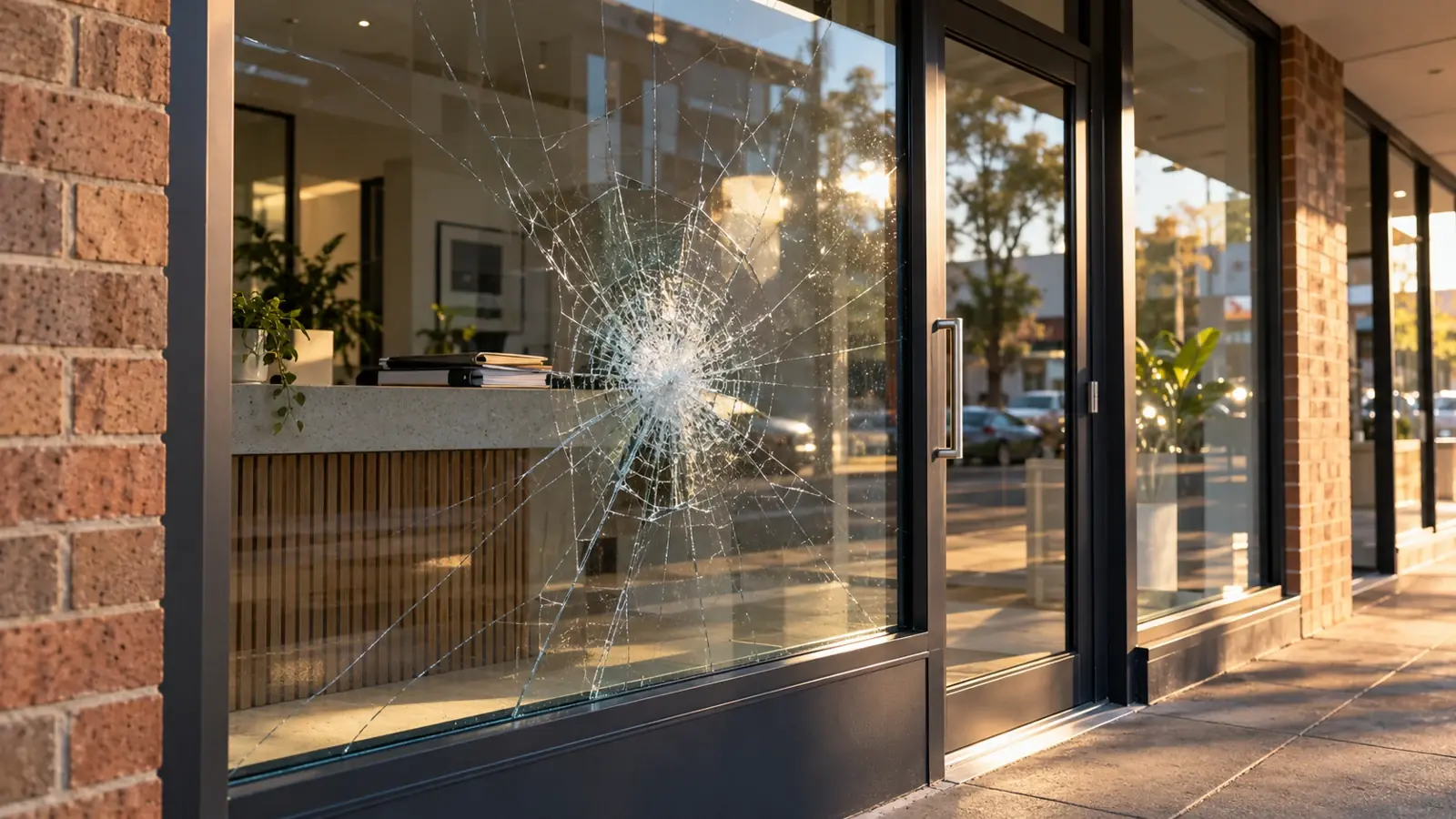
When a shop window breaks, the first question after "is everyone OK?" is usually "who's paying for this?". In Victoria there's no single answer: it depends on the applicable law, the lease, the circumstances of the damage and the insurance policy.
Make the area safe first, then notify the landlord or managing agent and contact the insurer. Before deciding who must pay, establish whether the Retail Leases Act 2003 applies. A commercial lease clause does not settle responsibility if it conflicts with applicable legislation.
This guide is general information, not legal advice. Applicable legislation, your lease and your policy are what count.
- 0–5 s Broken shop glass in Victoria? Make the area safe first.
- 5–14 s Who pays depends on the law, your lease and the circumstances. For regulated retail premises, legal obligations can override the lease.
- 14–22 s Insurance is a separate check: confirm glass cover, limits, excess, and approval for any required safety-glass upgrade.
- 22–30 s Keep photos and written records. For a clear shopfront glass quote, call Glassy Slide.
What the standard leases say
The REIV discusses glass-replacement clauses in the 2020 REIV commercial lease and the May 2021 LIV commercial lease (REIV). Those examples can place glass-replacement obligations on tenants, but they do not settle every retail tenancy. The REIV also identifies the effect of sections 52 and 94 of the Retail Leases Act 2003.
The Victorian Small Business Commission explains that applicable statutory repair obligations override inconsistent lease terms, with exceptions including tenant misuse and items the tenant may or must remove at the end of the lease (VSBC).
So before anyone pays, check:
- Does the Retail Leases Act apply to your premises and lease?
- What the glass is part of: the building, or a shopfront fit-out the tenant installed and may have to remove?
- How it broke: a break-in, an accident, wear, or misuse?
- What the lease says, read alongside the Act.
If the position is disputed, seek advice from the VSBC or a qualified Victorian leasing adviser.
Where insurance fits
Insurance responds separately from the lease, under the policy's own terms, limits and exclusions.
- Business packages may offer optional glass cover. Some insurers treat glass as an additional section that depends on other cover, such as commercial property (Allianz).
- Other glass-cover arrangements. Some insurers offer plate glass cover as an optional extension to a public and products liability policy, aimed at tenants who are responsible for glass (Berkley). That's an example of the kind of product, not a recommendation.
Glass policies commonly list exclusions, such as glass that was already damaged before cover started (BizCover). Check the glass limit against the size of your shopfront, and read your schedule and product disclosure statement, not just a product summary. Nothing here promises that a claim will be accepted.
The safety glass catch
Replacement glass must be selected for the particular opening and its safety requirements. A glazier should assess the location, dimensions, framing, human-impact risk and applicable requirements, including AS 1288 (Standards Australia). Toughened or laminated safety glass may be required, so an older pane may not come back exactly like for like. Ask the insurer how the policy treats any necessary change in specification.
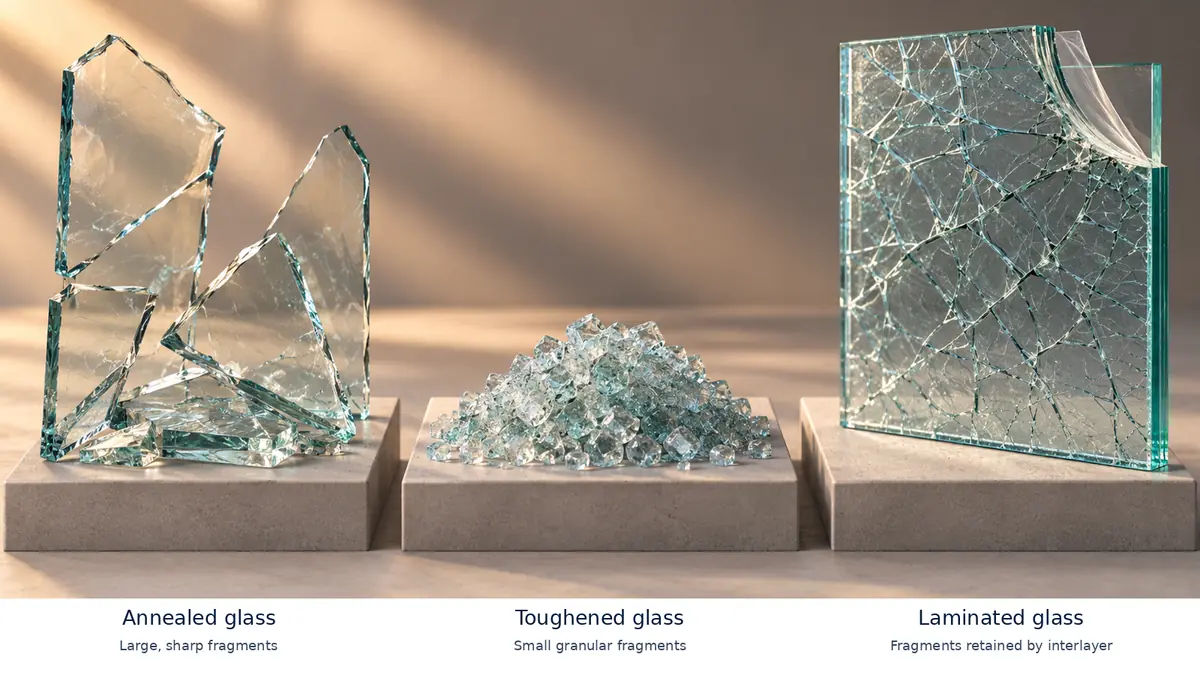
- Annealed glass breaks into large, sharp fragments.
- Toughened glass breaks into small, granular fragments.
- Laminated glass cracks, but its interlayer holds the fragments in place.
If you and the landlord disagree
Talk first, and put it in writing. Retail lease disputes in Victoria generally go to the Victorian Small Business Commission for mediation before they can go to VCAT; urgent matters can follow a different route.
Keep a record: written notices to the landlord or agent, photos taken from a safe place, the incident details and any police report number, quotes, the glazier's invoice and any product documentation for the new glass. Never go near damaged glass to collect evidence.
Before you sign a lease
- Find the repairs and glass clauses, and ask whether the Retail Leases Act applies.
- Check whether your insurance includes glass cover, the limit, the excess and the exclusions.
- Photograph the shopfront at the start of the lease, so its condition is on record.
- Ask whether any existing glass may need upgrading if it is ever replaced.
Get the glass fixed
Whoever ends up paying, the shop needs to be secure tonight. We make shopfronts safe 24/7 on 0410 107 794 and replace shop glass with glass selected for the opening, with a written quote and invoice. See what to do in the first hour, shopfronts and entry doors, safety glass replacement, or get a shopfront glass quote.
Questions
Who pays for a broken shop window in Victoria?
There is no universal payer. First check whether the Retail Leases Act 2003 applies. Applicable statutory duties may override the lease. Responsibility also depends on the glass, the circumstances of the damage and the relevant lease terms. Insurance responds separately under the policy's terms, limits and exclusions.
Does my business insurance cover shop windows?
Business packages may offer optional glass cover, and some insurers offer plate glass cover as an extension to another policy. Cover, limits, excesses and exclusions vary, so check your policy schedule and product disclosure statement before you need it.
Will insurance pay for an upgrade to safety glass?
Replacement glass must suit the particular opening, and toughened or laminated safety glass may be required. Ask your insurer how the policy treats any necessary change in specification; don't assume it will be covered.
What if the landlord and I disagree about the glass?
Retail lease disputes in Victoria generally go to the Victorian Small Business Commission for mediation first. If the position is disputed, seek advice from the VSBC or a qualified Victorian leasing adviser. This guide is general information, not legal advice.
Was this guide helpful?

We supply and install double-glazed aluminium windows and doors, alfresco enclosures and glass partitions, and repair timber windows across Melbourne from our base in Bundoora. 5.0 ★ on Google.
Keep reading
Related guides
Shopfronts3 min read
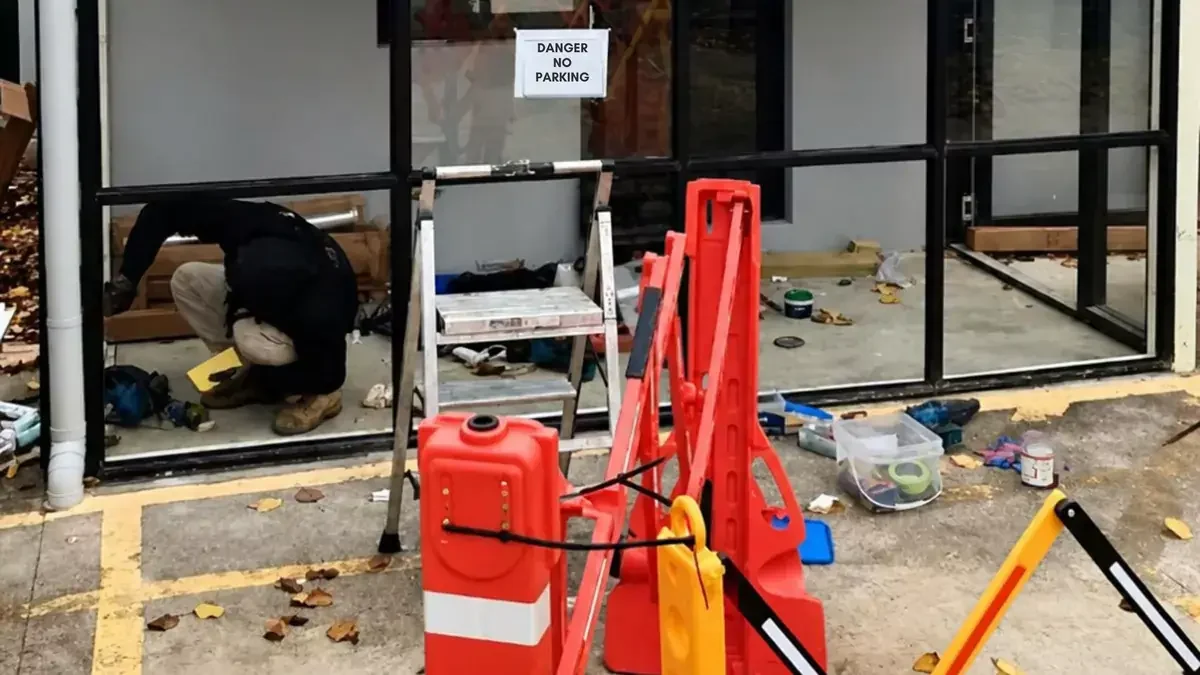
Shop window smashed or hit by a car: what to do in the first hour
A smashed shopfront, a break-in or a car through the glass: what to do in the first hour, how make-safe and board-up work, and how the new glass follows.
Repairs3 min read
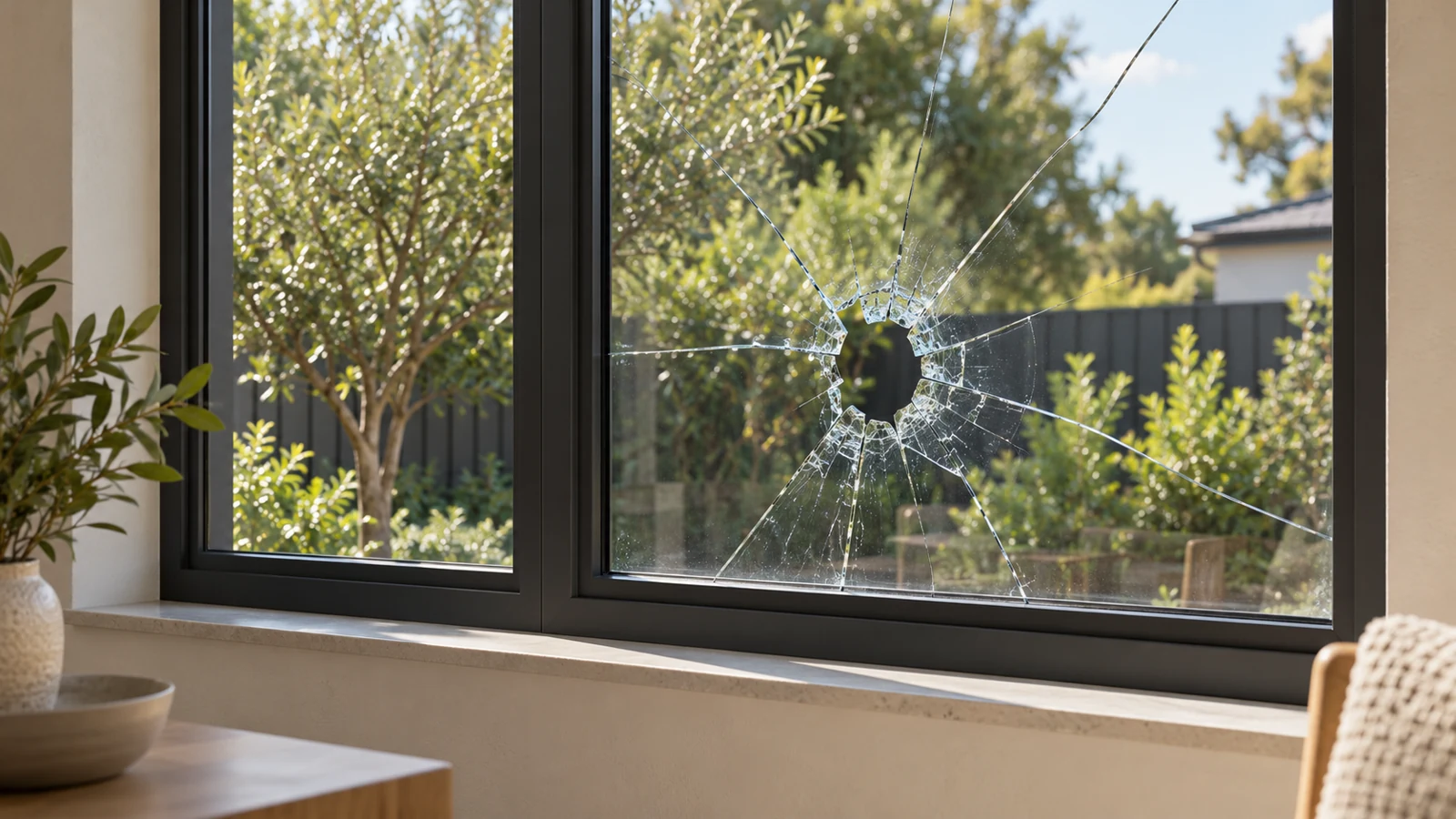
Broken window at home: make it safe, then get it replaced
What to do in the first hour after a window or glass door breaks, what boarding up and new glass cost in Melbourne, and who pays when you rent.
Repairs3 min read
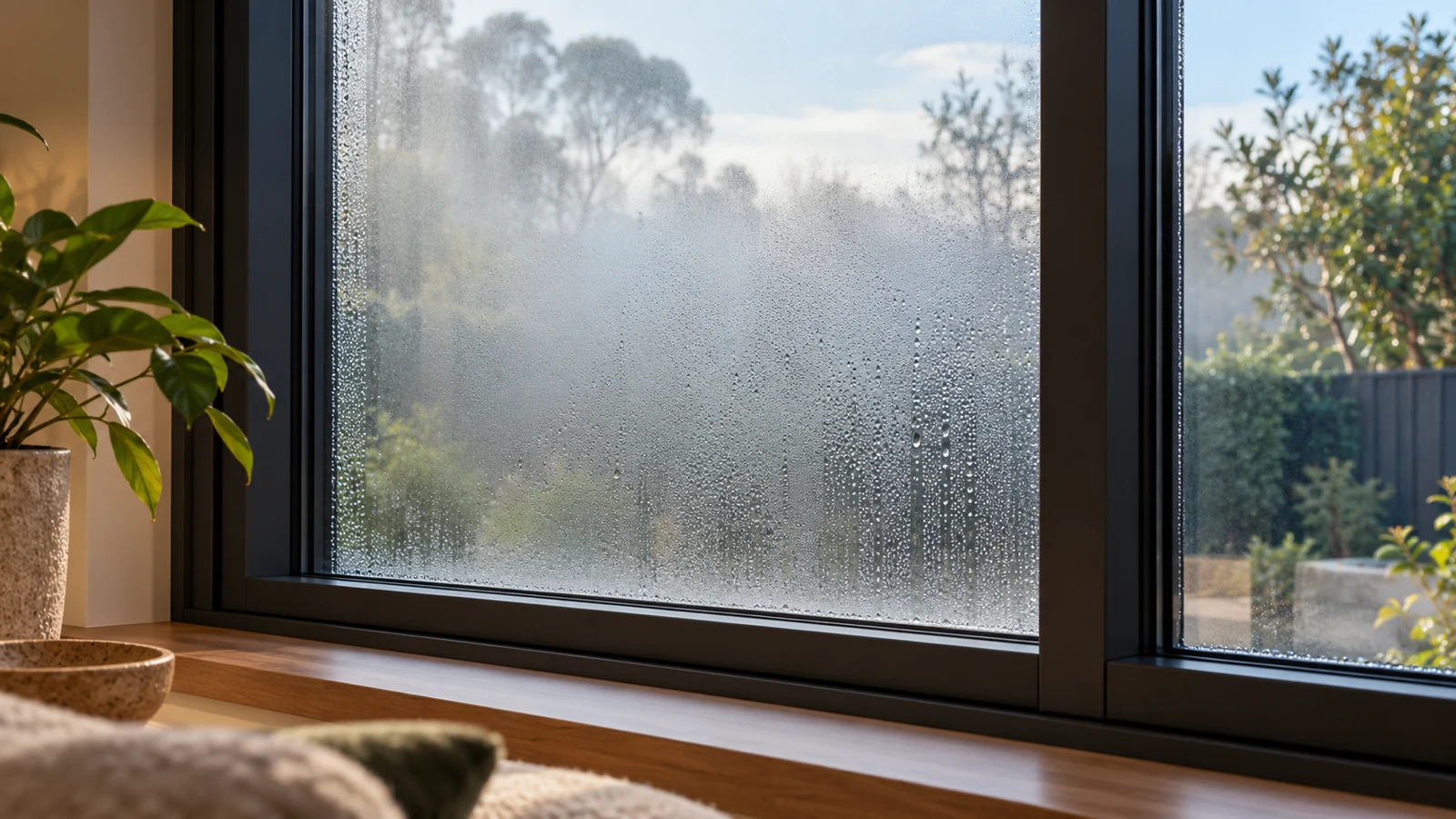
Fog between double-glazed panes: replace the unit, not the window
Mist or fog trapped between double-glazed panes means the unit's seal has failed. Why it can't be wiped away, why drilling is a stopgap, and what the fix is.