
Quieter and warmer windows: acoustic laminated glass vs double glazing
Traffic noise or a cold house? How acoustic laminated glass and double glazing compare on noise and heat, what the ratings mean, and when to combine them.
By Glassy Slide teamPublished 3 min read
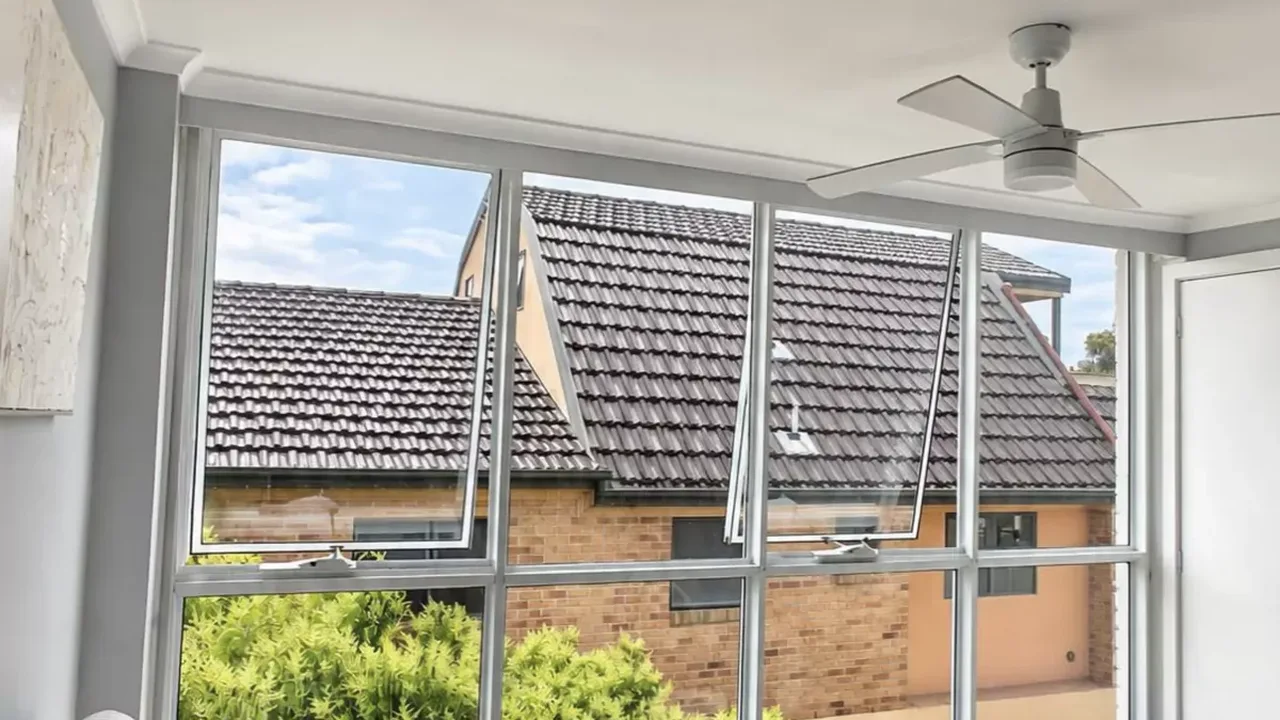
Two complaints bring most Melburnians to new glass: "I can hear every truck" and "the house is freezing in July". The fixes overlap, but they aren't the same. Laminated glass is the noise specialist. Double glazing is the heat specialist. Here's how they compare, what the ratings mean, and when it's worth combining them.
Two numbers worth knowing
For noise: Rw and Rw+Ctr. Both measure how much sound a window blocks, in decibels; higher is better. Rw+Ctr adjusts for low-pitched sound, the rumble of traffic, trams, trains and aircraft, so it's usually the fairer number for a Melbourne home near a road (AGWA). As a rule of thumb, cutting noise by about 10 dB makes it sound roughly half as loud.
For heat: the U-value. It measures how fast heat passes through the whole window; lower is better. Windows matter a lot: up to 40% of a home's heating energy can be lost through them, and up to 87% of its summer heat gained (YourHome).
Noise: how the glass compares
Typical published figures for the glass alone (the frame and seals bring the real window down a little):
| Glass | Rw | Rw+Ctr | Source |
|---|---|---|---|
| 4 mm clear glass | 27 | 25 | Jason Windows |
| 6.38 mm laminated | 31 | 29 | Jason Windows |
| 6.5 mm acoustic laminated | 34–36 | about 31 | Jason Windows, Viridian |
| Double glazed, 4 mm / 12 mm gap / 4 mm | 33 | 27 | AGC (European maker) |
| Double glazed with a laminated pane, 4 / 16 / 6.4 | 35 | 31 | Guardian |
What stands out:
- A single acoustic laminated pane can match or beat standard double glazing for traffic noise. Ordinary double glazing with two equal panes and a narrow gap isn't built for noise; glass makers say it does little extra for sound (Viridian).
- Different panes beat matching ones. Two panes of different thickness don't vibrate at the same pitch, so a double-glazed unit with, say, a laminated pane on one side does better than two identical panes.
- The frame and seals often set the limit. Gaps around a sash let sound straight through. Sliding windows and doors seal less tightly than awning or fixed windows, so on a noisy street the window type matters as well as the glass.
Heat: double glazing does the heavy lifting
Laminated glass on its own keeps heat in about as poorly as ordinary glass. For warmth, you need double glazing, a Low-E coating that reflects heat back into the room, or both.
- Single-glazed aluminium windows typically have a whole-window U-value around 6 to 7.
- Double-glazed aluminium windows sit around 3 to 4.5.
- Thermally broken frames with Low-E glass can get down towards 2.
Sustainability Victoria says double glazing cuts heat loss and gain by almost 30% compared with single glazing (Sustainability Victoria). In Melbourne, where homes need more heating than cooling, that's felt mostly in winter, as fewer cold spots near windows and less condensation on the glass.
The best of both
You don't have to choose. A double-glazed unit can have an acoustic laminated pane on one side and a Low-E pane on the other: quieter, warmer and safer in one unit. Laminated glass also holds together if broken, which helps with security too; see our guide to secure windows and doors.
Which to choose:
| Your main problem | Start with |
|---|---|
| Traffic, tram or train noise, house warm enough | Acoustic laminated glass, and good seals |
| Cold rooms, condensation, high heating bills | Double glazing with Low-E glass |
| Both | Double glazing with a laminated pane |
| Windows that rattle or leak air | Fix the seals and hardware first |
Keep your frames or replace them?
If your aluminium frames are sound, retrofit double glazing fits new double-glazed units into the existing frames, typically $600 to $1,800 per opening. If the frames are tired or you want a different style, a new double-glazed window is typically $2,300 to $3,500 installed. Our double glazing cost guide explains what moves the price.
Victoria's Energy Upgrades program offers discounts on some window upgrades through accredited providers, so it's worth asking about before you start.
Get a quote for quieter, warmer windows
We supply and fit acoustic laminated glass, double-glazed units with Low-E glass, and new aluminium windows and doors across our Melbourne service areas. Tell us what bothers you most, noise, cold or both, and we'll quote the glass that solves it, in writing, before any work starts. See sliding doors and double glazing or ask for a double glazing quote.
Questions
Does double glazing reduce noise?
Some, but standard thermal double glazing with a narrow air gap and two panes of the same thickness is not the best noise performer. Using a laminated pane, panes of different thickness or a wider gap makes a much bigger difference.
Is laminated glass good for noise?
Yes. The interlayer damps vibration, so laminated glass cuts noise better than ordinary glass of the same thickness. Acoustic laminates use a special interlayer and do better again.
Does laminated glass keep heat in?
Not much on its own. For heat, you need double glazing, a Low-E coating, or both. A double-glazed unit with a laminated pane can do both jobs.
What do Rw and Rw+Ctr mean?
They are sound insulation ratings in decibels; higher is better. Rw+Ctr gives extra weight to low-pitched noise like traffic, trams and planes, so it's the better number to compare for a house near a road.
How much quieter is 10 dB?
A drop of about 10 dB sounds roughly half as loud.
Was this guide helpful?

We supply and install double-glazed aluminium windows and doors, alfresco enclosures and glass partitions, and repair timber windows across Melbourne from our base in Bundoora. 5.0 ★ on Google.
Keep reading
Related guides
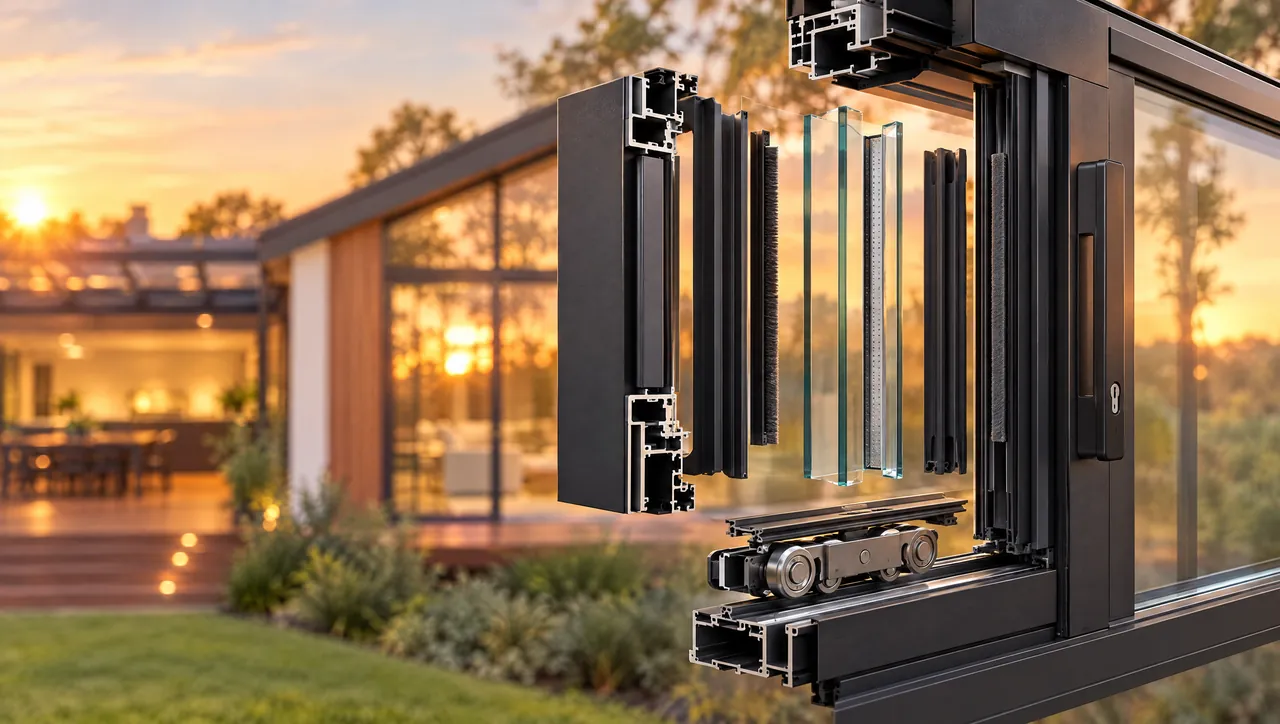
Cost guides3 min read
How much does double glazing cost in Melbourne?
Typical 2026 Melbourne prices for double-glazed windows, retrofit versus new units, what changes the price, and how to compare quotes fairly.
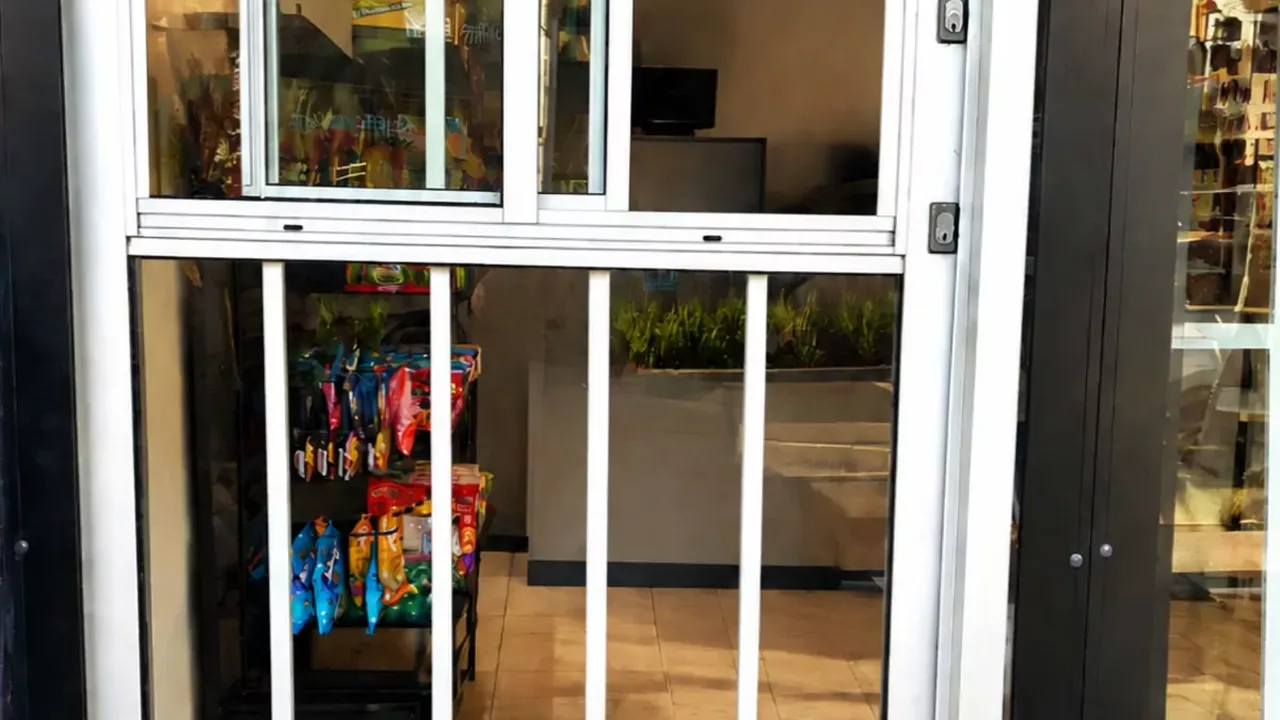
Repairs4 min read
Secure windows and doors for Melbourne homes: laminated glass, security screens and locks
What Victoria's burglary figures say about how homes are entered, and the three upgrades that make windows and doors harder to get through.
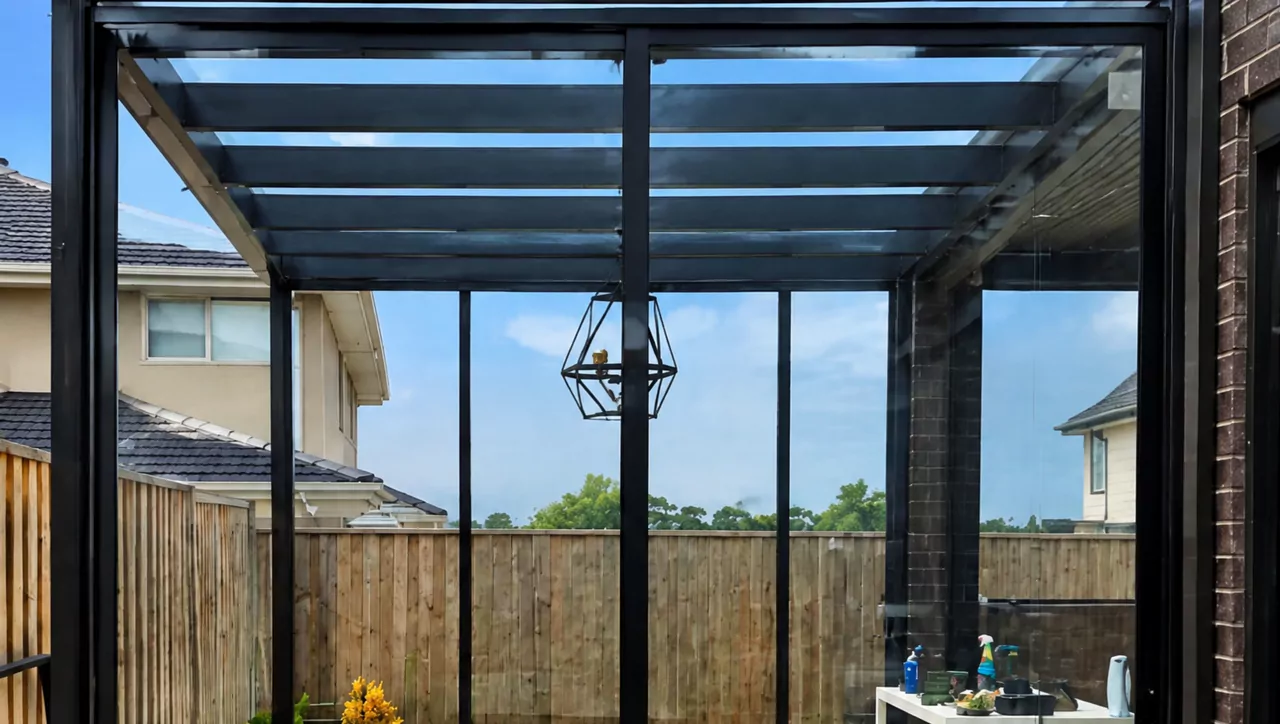
Alfresco3 min read
Enclosed alfresco vs sunroom: what's the difference in Victoria?
Enclosed alfresco or sunroom? What separates them in Victoria, what each costs, how building rules treat them, and which suits how you'll use the space.