
Enclosed alfresco vs sunroom: what's the difference in Victoria?
Enclosed alfresco or sunroom? What separates them in Victoria, what each costs, how building rules treat them, and which suits how you'll use the space.
By Glassy Slide teamPublished 3 min read
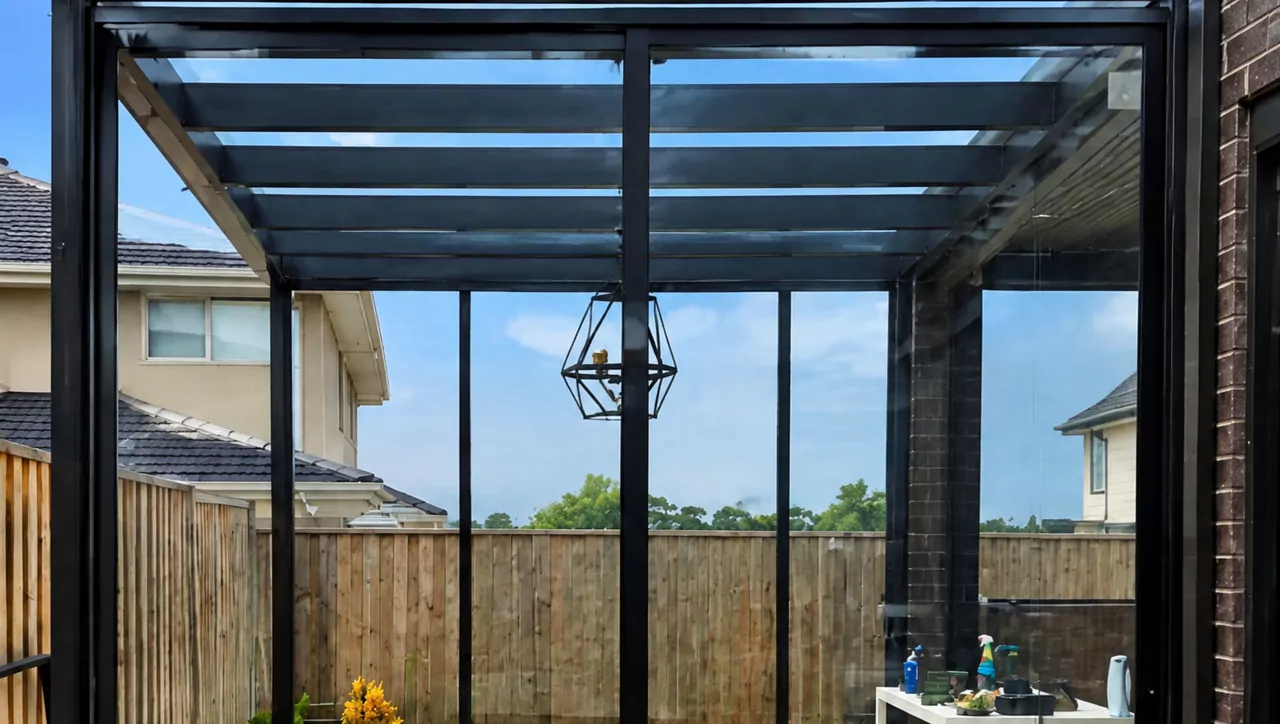
Search for a glass room in Melbourne and you'll find "sunrooms", "glass rooms", "enclosed alfrescos" and "patio enclosures", often describing much the same thing. The names matter less than two questions: how much of it is new, and how you'll use it.
The difference in one line
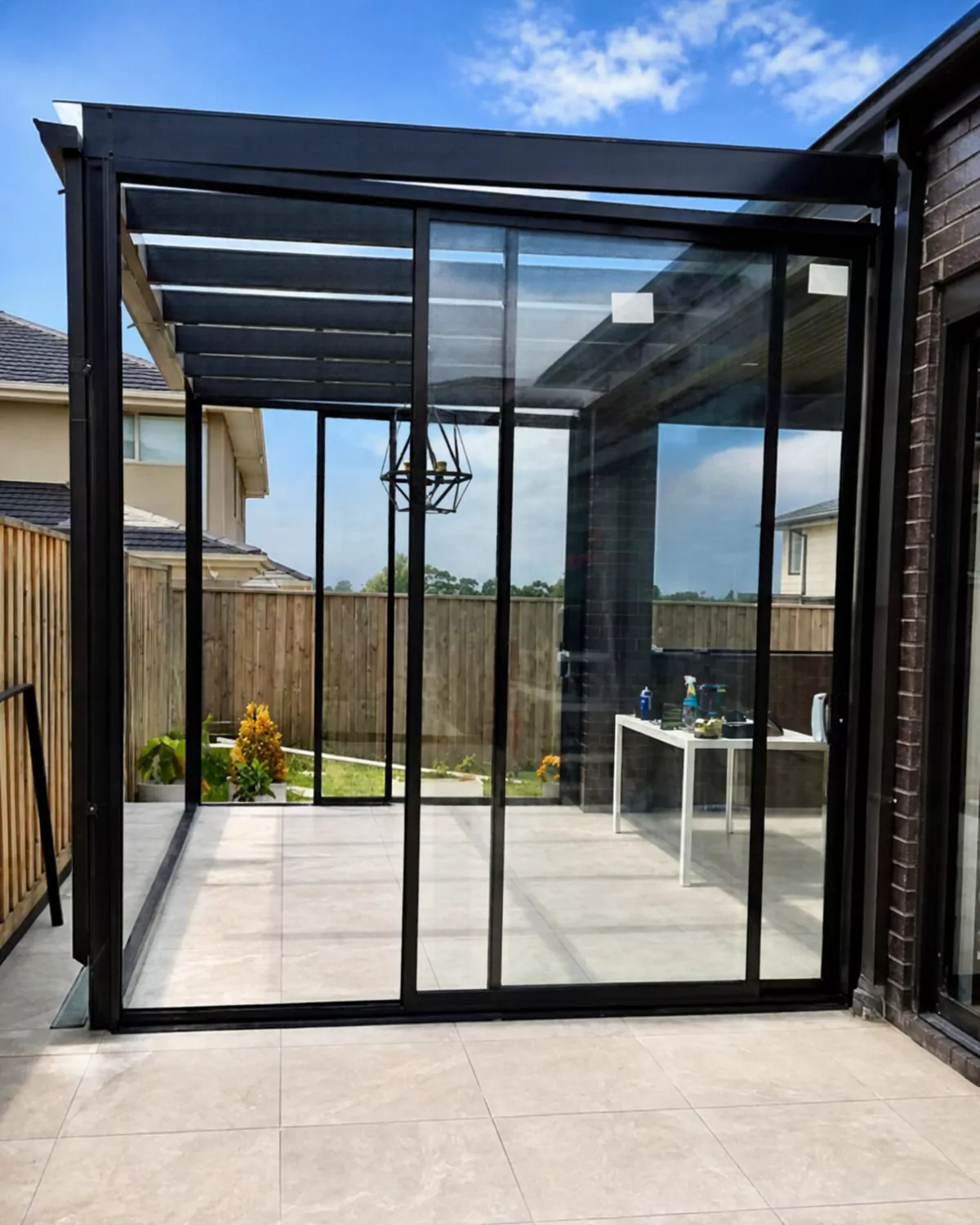
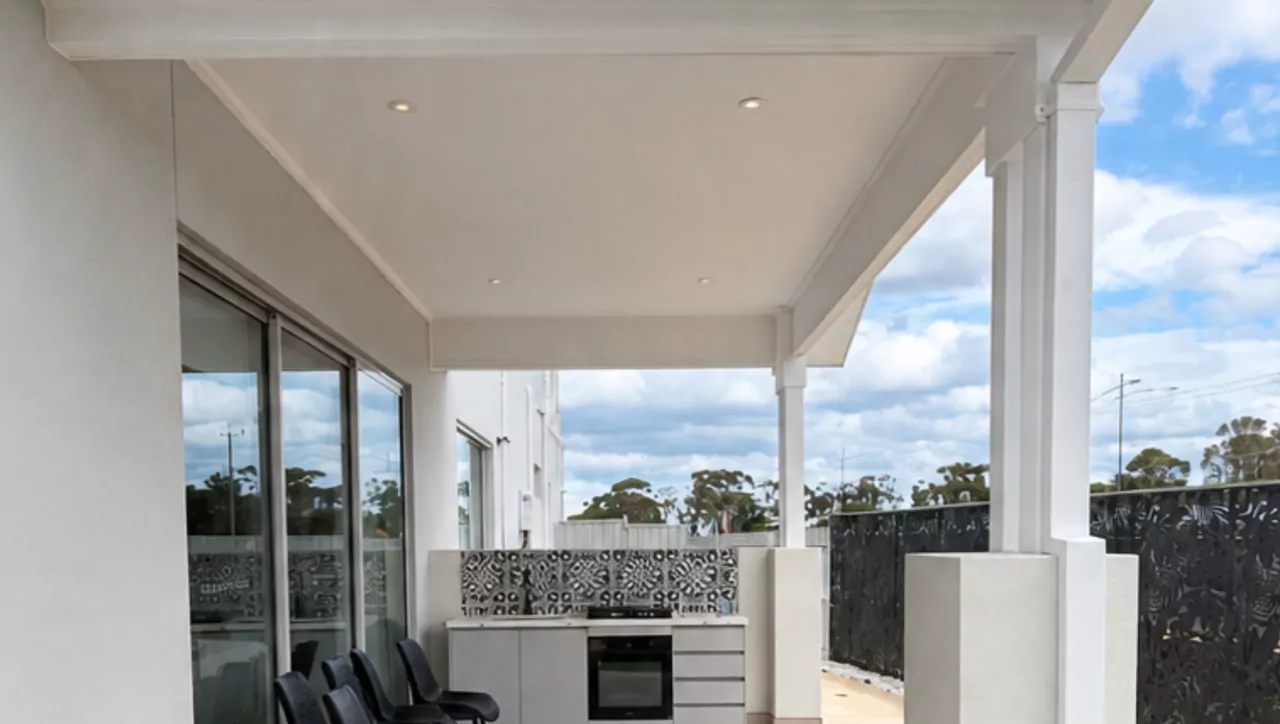
An enclosed alfresco glazes the open sides of an alfresco that already has a roof. A sunroom is usually a new glass room built from scratch, often with a glass roof as well as glass walls.
Cost: using the roof you have makes the biggest difference
| Enclosing an existing alfresco | New glass room or sunroom | |
|---|---|---|
| What's built | Glass and frames for the open sides | Floor, frame, roof and glass |
| Typical Melbourne cost | About $2,500–$6,000 per bay; $7,500–$30,000 for 3–5 bays | About $35,000–$60,000 for a 5 × 5 m room |
| Time on site | Shorter | Longer |
These are guide figures; our alfresco enclosure cost guide explains what moves them, and a measure on site gives the real price.
How you use it decides the rules
A space you can close off and heat all year can be treated differently from an open verandah. In Victoria, your building surveyor decides how the enclosed space is classified, and that decides which rules apply, including energy efficiency. Victoria's 7-star standard has applied to new homes since 1 May 2024, and alterations and additions have their own rules. So "will we heat it and sit there every evening in July?" is a question to answer before the design is final, not after. Our guide on permits for enclosing an alfresco covers the steps.
Glass choices: single or double glazing
Single-glazed aluminium windows lose heat much faster than double-glazed ones: typical U-values (lower is better) are about 5.5–6.5 for single glazing against about 3.0–3.5 for double glazing. If the room will be heated most evenings, or the energy rules call for it, double glazing is worth pricing, and we supply double-glazed units. Our guide to laminated vs toughened glass explains how the glass types fit together. For a space you mainly use from spring to autumn, single-glazed safety glass on the walls is often enough.
Which suits you
- You already have a sound, roofed alfresco: enclose it. You keep the roof, the cost stays lower, and the job is shorter.
- You have an open patio or bare paving: a new glass room with its own roof, like the job above, may make more sense than building a roof first and glazing second.
- You want it to feel outdoors in summer: choose sliding or stacking panels that open most of the wall, whichever route you take. See our alfresco enclosure ideas.
Does it add value?
An extra room you can use all year appeals to buyers, but we couldn't find a reliable published figure for how much it adds in Melbourne, and the percentages quoted in marketing aren't sourced. Valuers' general advice is not to spend more than the home and street support. Build it because you'll use it.
We build both: glass for existing alfrescos and complete glass rooms. We measure on site, quote in writing and price the job before we start. See our alfresco enclosures or ask for a quote.
Questions
Is an enclosed alfresco the same as a sunroom?
They overlap. An enclosed alfresco usually means glazing the open sides of an alfresco that already has a roof. A sunroom usually means a new glass room built from the ground up, often with a glass roof. Both can be used all year; the difference is mostly how much is new.
Which is cheaper?
Enclosing an existing roofed alfresco is usually cheaper, because the roof and posts are already there. Typical Melbourne figures are about $7,500 to $30,000 for three to five bays of glass, against $35,000 to $60,000 for a fully enclosed outdoor room of about 5 × 5 m built from scratch.
Does an enclosed alfresco count as a habitable room?
It can, depending on how it is built and used. A building surveyor decides how the space is classified and which rules apply, including energy efficiency. Ask before you order glass.
Does it need double glazing?
Not always. Double glazing keeps more heat in and cuts noise, and it may be needed to meet energy rules if the room is treated as part of the house. Your surveyor and glazier can tell you what your design needs.
Does enclosing an alfresco add value to a Melbourne home?
An extra room you can use all year is attractive to buyers, but there is no reliable published figure for how much value it adds. Valuers warn against spending more than the area supports, so build for how you'll use it, not for a resale percentage.
Was this guide helpful?

We supply and install double-glazed aluminium windows and doors, alfresco enclosures and glass partitions, and repair timber windows across Melbourne from our base in Bundoora. 5.0 ★ on Google.
Keep reading
Related guides
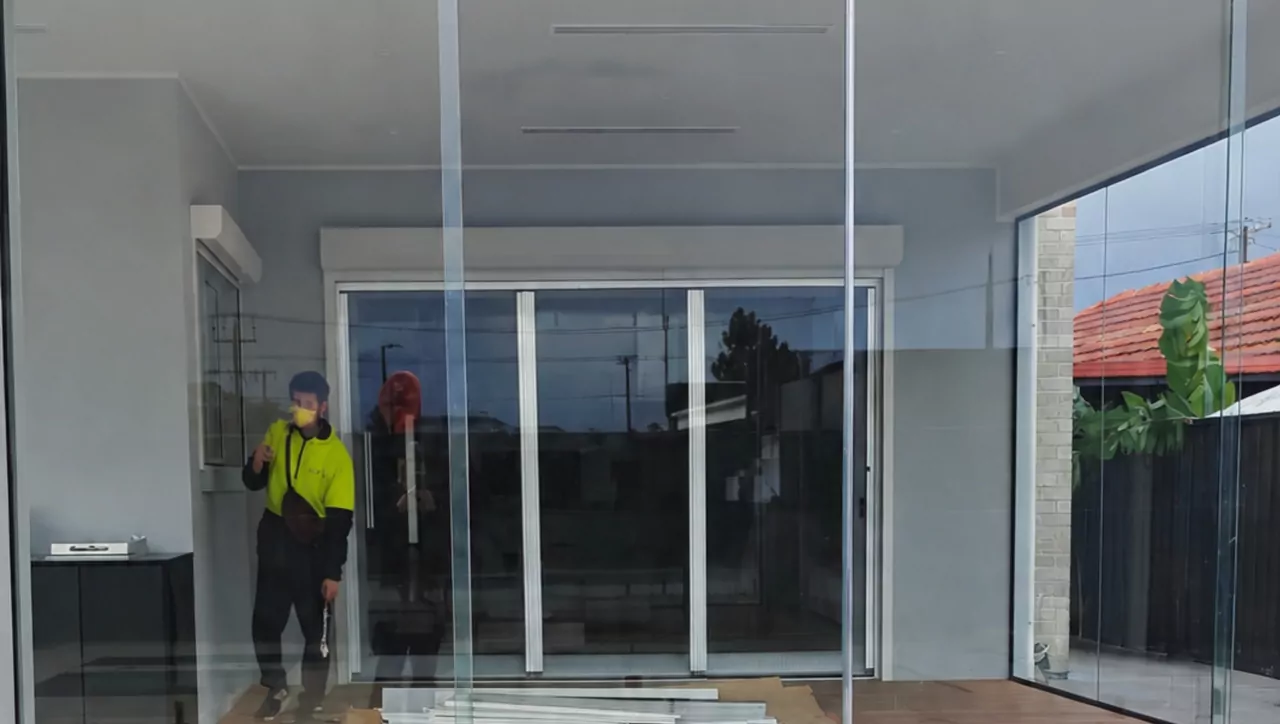
Alfresco2 min read
Enclosing a townhouse alfresco or balcony: owners corporation approval in Victoria
How owners corporation approval works in Victoria when you want to enclose a townhouse balcony, courtyard or alfresco with glass, and what to send.
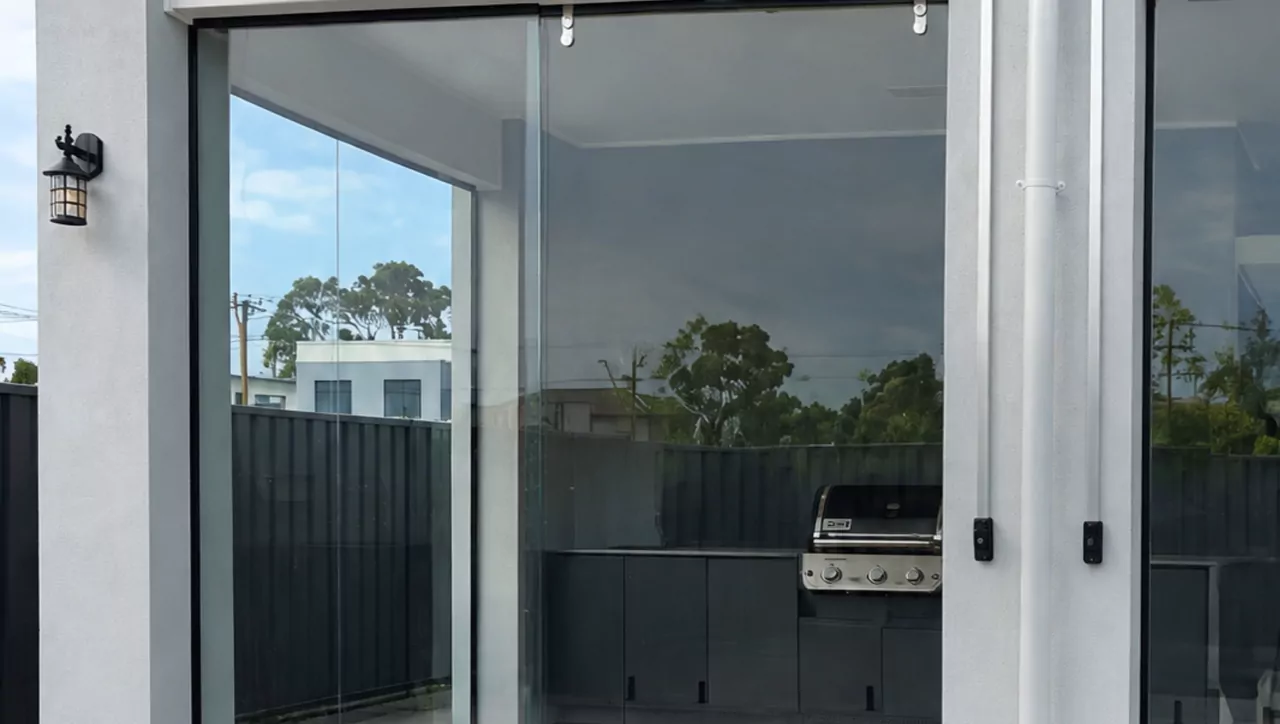
Alfresco3 min read
Enclosing an alfresco in a bushfire-prone area: BAL ratings explained
What a BAL rating means for the glass and frames when you enclose an alfresco in a Victorian Bushfire Prone Area, and what to check before you order.
Alfresco4 min read
Do you need a permit to enclose an alfresco in Victoria?
When enclosing an alfresco with glass needs a building permit in Victoria, when a planning permit applies too, and what to sort out before ordering glass.