
Can you double glaze existing aluminium windows? Retrofit, secondary glazing or replace
Can your old aluminium windows take double glazing? Retrofit, secondary glazing and full replacement compared, with a checklist for your frames.
By Glassy Slide teamPublished 5 min read
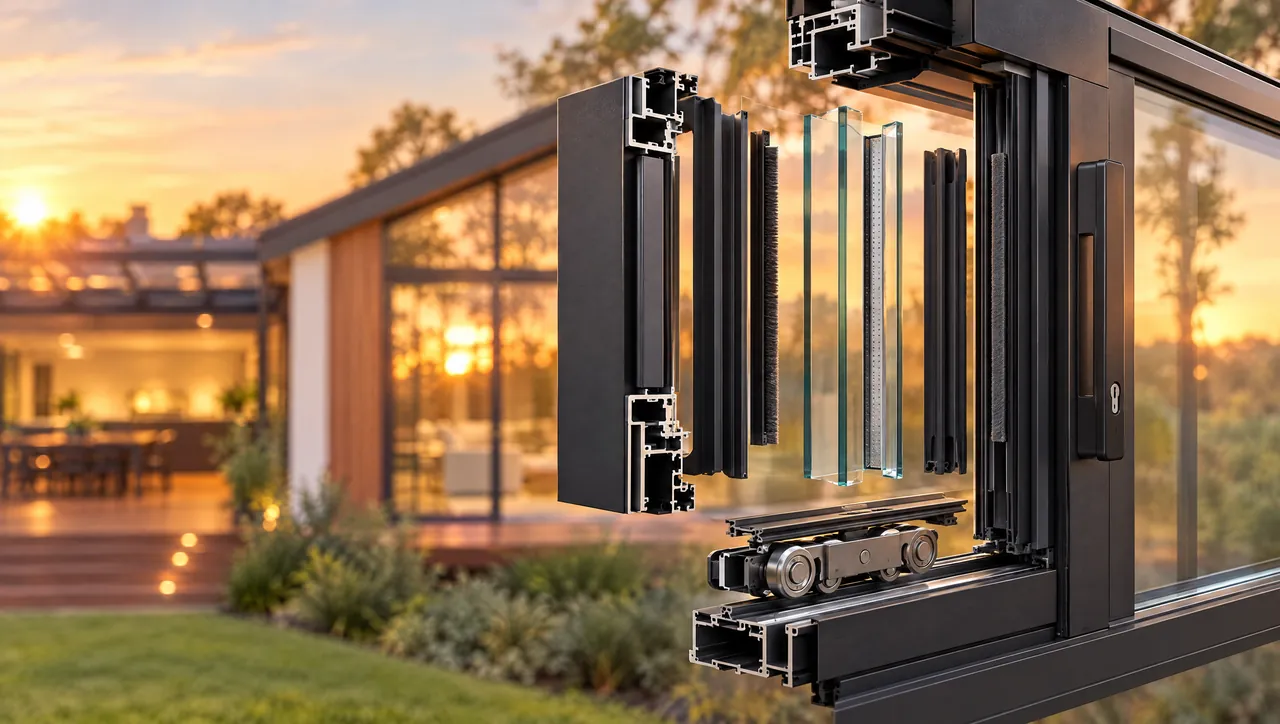
"Can you double glaze windows you already have?" is one of the most common questions we get about aluminium windows, and the answers online disagree. One Melbourne uPVC seller says retrofit rarely suits standard aluminium frames. Retrofit suppliers say most sound aluminium joinery can take a sealed unit. Both are partly right, because the answer sits in your frames, not in the glass.
There are three routes: retrofit, secondary glazing and full replacement. Here is how each works, where each one stops, and what to check before you pay for any of them.
The three routes
Retrofit double glazing. The single pane comes out and a sealed double-glazed unit goes into the existing frame, usually with a new profile or adaptor to hold it. You keep the frame and the look of the house.
Secondary glazing. An independent second pane is fitted on the room side of the existing window. The original window stays as it is, which is why it is often suggested for heritage homes and rentals. It is a separate product from double glazing, with its own limits.
Replacement. The whole window comes out and a new frame and glass go in. It is the most work and usually the highest cost, and it is the only route that changes the frame.
What the sources say, and where they disagree
The leading Melbourne uPVC seller says: "Retrofit double glazing rarely suits standard residential aluminium frames," and it generally recommends full replacement (Windows Republic). It makes the fair point that "Aluminium conducts heat and cold through the frame itself", so a glass-only upgrade has a ceiling.
Retrofit suppliers see it differently. One says: "For the most part, aluminium windows and door frames can be retrofitted," with exceptions for frames that are too weak or lack the space (Retroglaze via ArchiPro). Another describes its product as compatible with most existing aluminium joinery, provided the joinery is inspected first and is in sound condition (Metro Performance Glass via EBOSS).
Two notes on those sources. Both retrofit suppliers are New Zealand products, and the second says installation must follow New Zealand requirements, so treat them as evidence of what the approach can do, not as a specification for a Melbourne job. And every one of these sources sells something. The useful part is where they agree: it depends on the frame.
A checklist for your frames
Before a retrofit is worth quoting, these are the things to look at.
- Frame condition. Bent, corroded or leaking frames are better replaced. New glass in a tired frame keeps the problem.
- Frame age and system. Some older joinery is too light. One supplier warns that joinery from the 1960s and 1970s may be too flimsy to hold the additional weight of genuine double-glazing units.
- Rebate depth. A sealed unit is thicker than a single pane. If the frame has no room for it, there needs to be a profile or adaptor that solves it, or the answer is no.
- Weight. A double-glazed unit is heavier. Sliding windows and doors need rollers, tracks and sashes that can carry it, so a worn roller is better dealt with at the same time. Our sliding door guide covers what that looks like.
- Seals and drainage. Check that the frame's seals and weep paths are working before glass goes in.
- Sliding doors. Retrofit suppliers say they can generally be upgraded with suitable adaptors, depending on the age and design of the joinery. Ask for that to be confirmed for your door, not assumed.
If your frames pass, retrofit is a sensible way to improve the glass without replacing the window. If they fail, the extra money for a new frame is better spent than on glass that will outlast the frame it sits in.
Secondary glazing: a fair look
Secondary glazing suits a few situations well: a single noisy or cold room, a rental where the window should not be altered, and a heritage home where the original window needs to stay. It is reversible and leaves the original window alone.
It also has limits. It does not repair a draughty frame or a failed seal, and with a standard aluminium frame the frame still conducts heat. For a room you use all day, compare it with a sealed unit or a new frame before you decide.
The Victorian Government's Victorian Energy Upgrades program lists a cheaper option that adds glass or acrylic to an existing single-glazed window to create an air gap, alongside double-glazed windows. Its indicative discounts are $210 for four large double-glazed windows and $140 for the air-gap option, and the final amount is set by your accredited provider (Victorian Energy Upgrades). Private renters are eligible. If you want to use it, ask whether your provider is accredited for window upgrades; not every listed provider offers them.
When replacement is the better answer
Replace the window when the frame is corroded, bent, leaking or too light, when you want a different style, or when the main goal is comfort and energy use. A standard aluminium frame conducts heat, so if heat loss is what bothers you, ask about a thermally broken frame for the rooms you use most.
For typical Melbourne price ranges for retrofit and new windows, and what moves them, read our double glazing cost guide. If noise is the main problem, the quieter and warmer windows guide explains why glass type is only part of the answer. If you already have double glazing and it has fogged up, see fog between double-glazed panes. And if your frames are timber sash rather than aluminium, repair or replace sash windows is the better place to start.
The short version
Whether old aluminium windows can be double glazed depends on the frame: its condition, age, depth and strength. Retrofit can work on sound frames, secondary glazing suits single rooms, rentals and heritage homes, and replacement is the answer when the frame is the problem. Get the frames inspected before you compare prices, and ask each quote to say which route it is.
Our double glazing and sliding doors page covers the options we work with and how we quote.
Questions
Can my old aluminium windows take double glazing?
Often, but not always. Retrofit suppliers say most sound aluminium frames can be retrofitted, while a leading uPVC seller says retrofit rarely suits standard residential aluminium frames. The honest answer depends on your frames, so they need to be inspected for depth, strength and condition before anyone quotes.
When is a frame too far gone?
When it is bent, corroded or leaking, when the rebate is too shallow for a sealed unit, or when the frame is too light to carry the extra weight. Some early aluminium joinery, particularly from the 1970s, may not suit retrofit at all.
Does retrofit work on sliding doors?
Sometimes. One retrofit supplier says sliding doors can generally be upgraded with suitable adaptors, depending on the age and design of the joinery. The heavier glass also puts more load on rollers and tracks, so those should be checked at the same time.
Is secondary glazing worth it?
For a single problem room, a rental or a heritage home it can be. It adds a separate pane on the room side and leaves the original window alone. It does not fix a draughty frame or a failed seal, and a standard aluminium frame still conducts heat.
Will retrofit glass be as good as a new window?
Not usually. A sealed unit improves the glass, but the old aluminium frame still conducts heat. A new thermally broken frame addresses that, at a higher cost.
Can renters use secondary glazing?
A removable or reversible secondary pane may suit a rental, but you need the rental provider's agreement before changing a window. Victorian Energy Upgrades discounts are open to private renters, and the Victorian Government recommends landlords and tenants coordinate on upgrades.
Was this guide helpful?

We supply and install double-glazed aluminium windows and doors, alfresco enclosures and glass partitions, and repair timber windows across Melbourne from our base in Bundoora. 5.0 ★ on Google.
Keep reading
Related guides
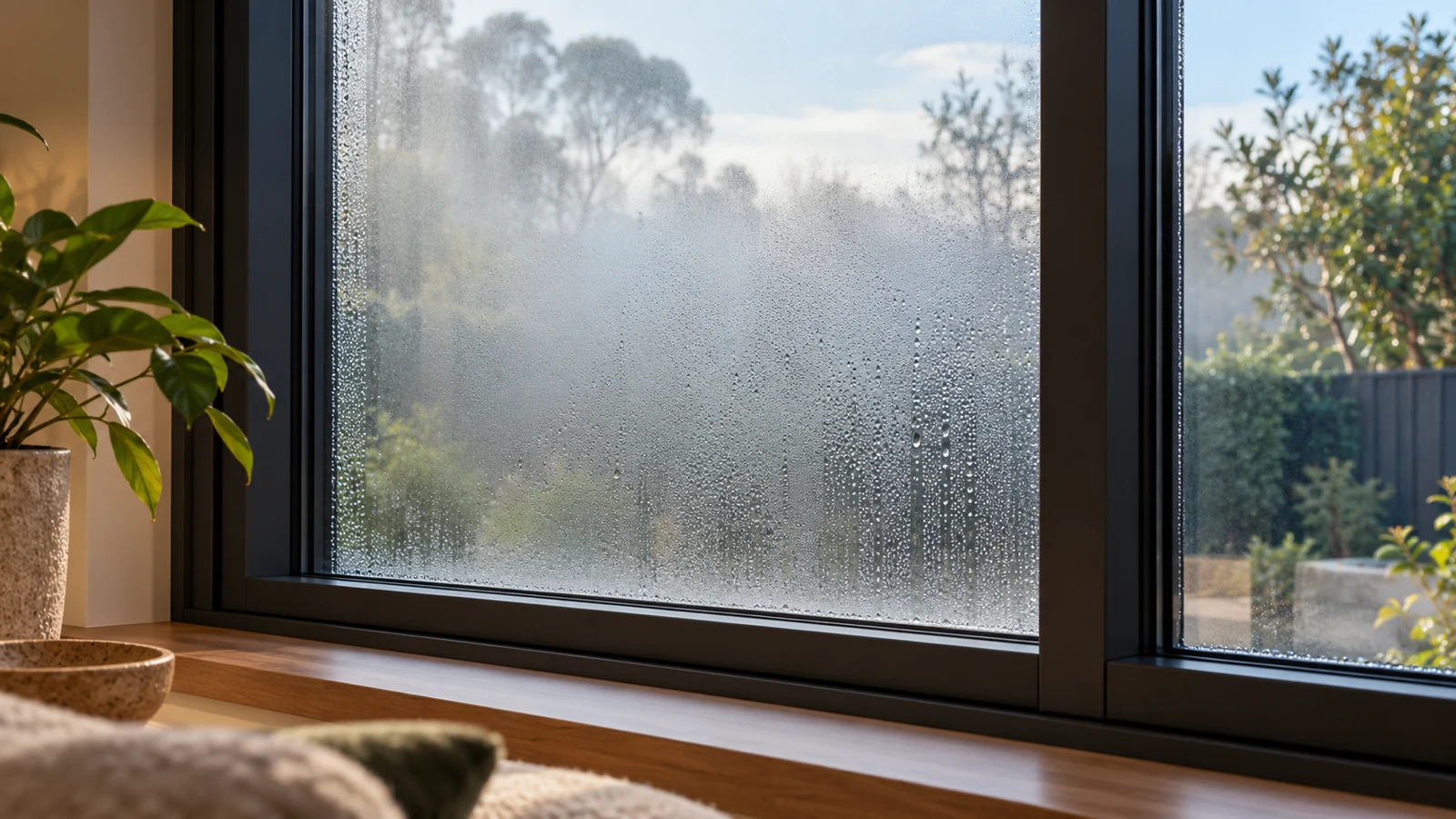
Repairs3 min read
Fog between double-glazed panes: replace the unit, not the window
Mist or fog trapped between double-glazed panes means the unit's seal has failed. Why it can't be wiped away, why drilling is a stopgap, and what the fix is.
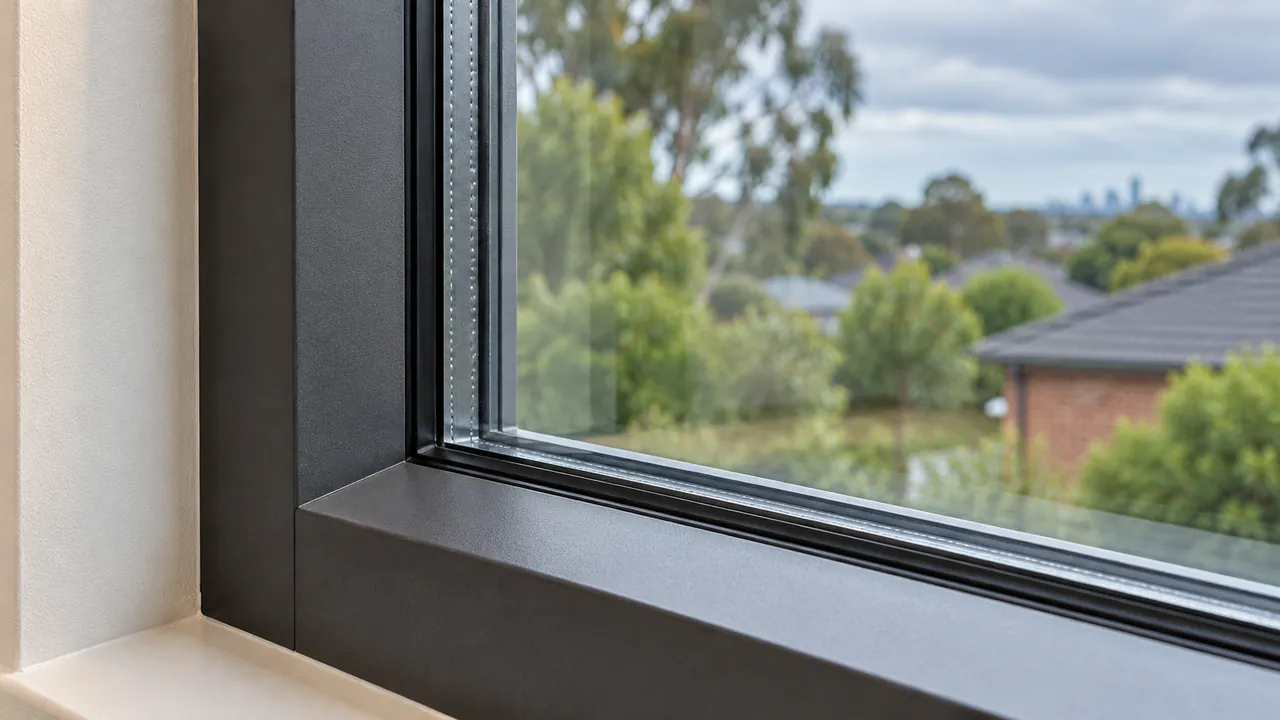
Double glazing5 min read
Quieter and warmer windows: acoustic laminated glass vs double glazing
Traffic noise or a cold house? How acoustic laminated glass and double glazing compare on noise and heat, what the ratings mean, and when to combine them.
Cost guides3 min read
How much does double glazing cost in Melbourne?
Typical 2026 Melbourne prices for double-glazed windows, retrofit versus new units, what changes the price, and how to compare quotes fairly.