
Sticking, rattling or won't stay up: sash and casement window problems explained
Symptom-by-symptom guide to old timber sash and casement window problems in Melbourne: painted shut, broken cords, rattles, rotten sills, and what to check first.
By Glassy Slide teamPublished 5 min read
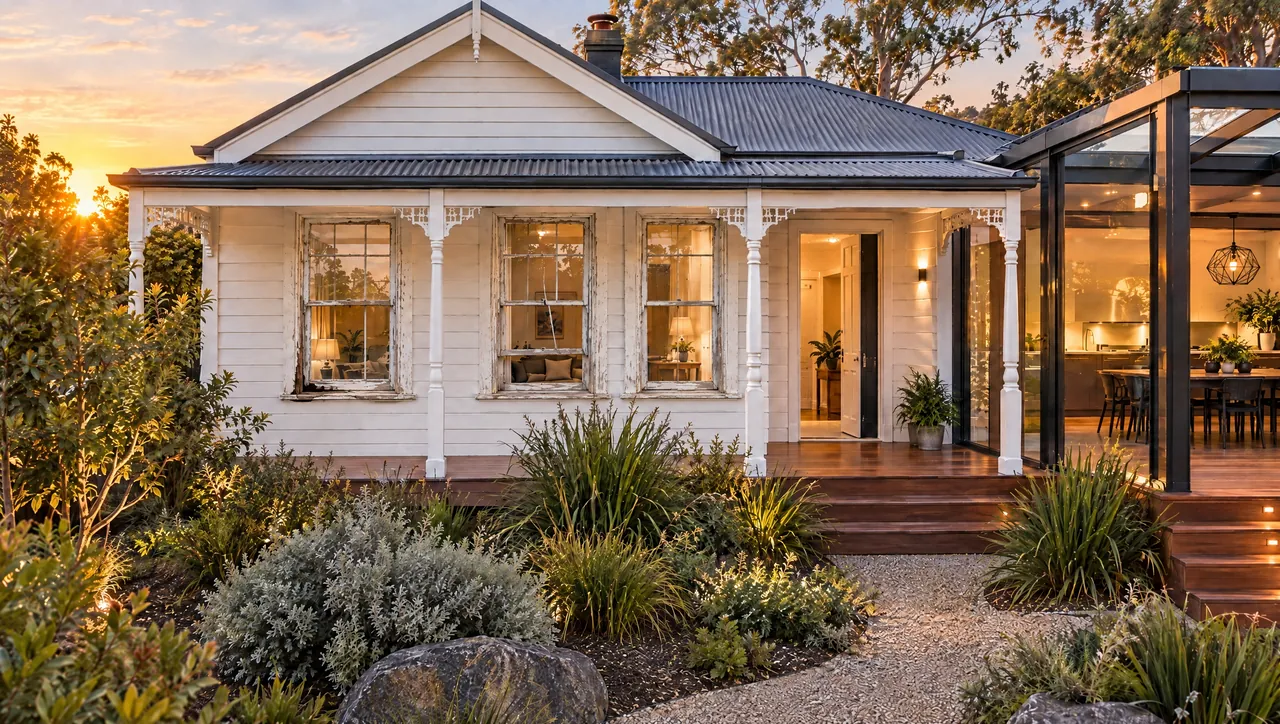
Old timber windows tend to complain in a handful of ways. They stick, they rattle, the top sash drops, the bottom rail goes soft, or a casement will not close. Each symptom points to a different cause, and the cause decides what the fix costs.
Our repair or replace guide covers the big decision and what a full repair involves. This guide goes the other way, from the symptom you can see to what is probably behind it. It is general information, not a diagnosis of your window.
The sash will not move
It is painted shut. Coat after coat of paint bridges the gap between the sash and the frame, and the window gets glued in place. A widely published method is to unlock the sash, then cut the paint seal with a painter's tool along both sides, the sill and the meeting rail, inside and out, before prying anything. That advice comes from a US home-repair site (This Old House), so treat it as general practice rather than a Melbourne rule. Forcing a sash with a pry bar before the paint is cut is how stiles and glass get broken.
The timber has swollen. Damp timber grows. If the sash binds in wet weather and eases in summer, moisture is getting in somewhere, often through a failing sill or cracked putty. Easing the sash fixes the symptom, but the water source needs fixing too.
The cords or pulleys are worn. Worn cords add friction, which is one common cause of a stiff sash.
The sash will not stay up
A double-hung sash is balanced by weights hidden in the frame, joined to the sash by cords that run over pulleys. If the top or bottom sash drops as soon as you let go, a cord has usually snapped or slipped off its weight.
Replacing a cord means taking the window apart. In the method described by This Old House, the stop beads come off, the sash is pulled free, an access door in the side of the frame is opened and the old weight is pulled out. A string tied to the old cord is used to guide the new cord over the pulley (This Old House).
That is why it is a two-person job for many people, and why old beads, painted-over pocket covers and original glass are easy to damage. If you are not sure about any of those, get the window looked at before taking it apart.
The sash rattles
A rattle means there is play somewhere. The usual suspects are:
- Worn or missing beads or stops, so the sash can move sideways in its channel
- Loose or perished putty, so the glass shifts in the sash
- A catch that no longer pulls the meeting rails together
- Shrunken timber, which leaves a gap that was never there when the window was new
Rattling and draughts go together. If your main problem is air leaking around a sash, our rental draughtproofing guide shows where seals go on sash and casement windows, and why old sashes need a lighter touch than a modern aluminium window.
Water is getting in
Rotten sill or bottom rail. If a screwdriver sinks into the timber, the decay is already inside. The fix is to cut it back to sound wood and splice in new hardwood rather than fill it, because filler over wet rot just hides the problem. Our repair or replace guide shows what that repair looks like.
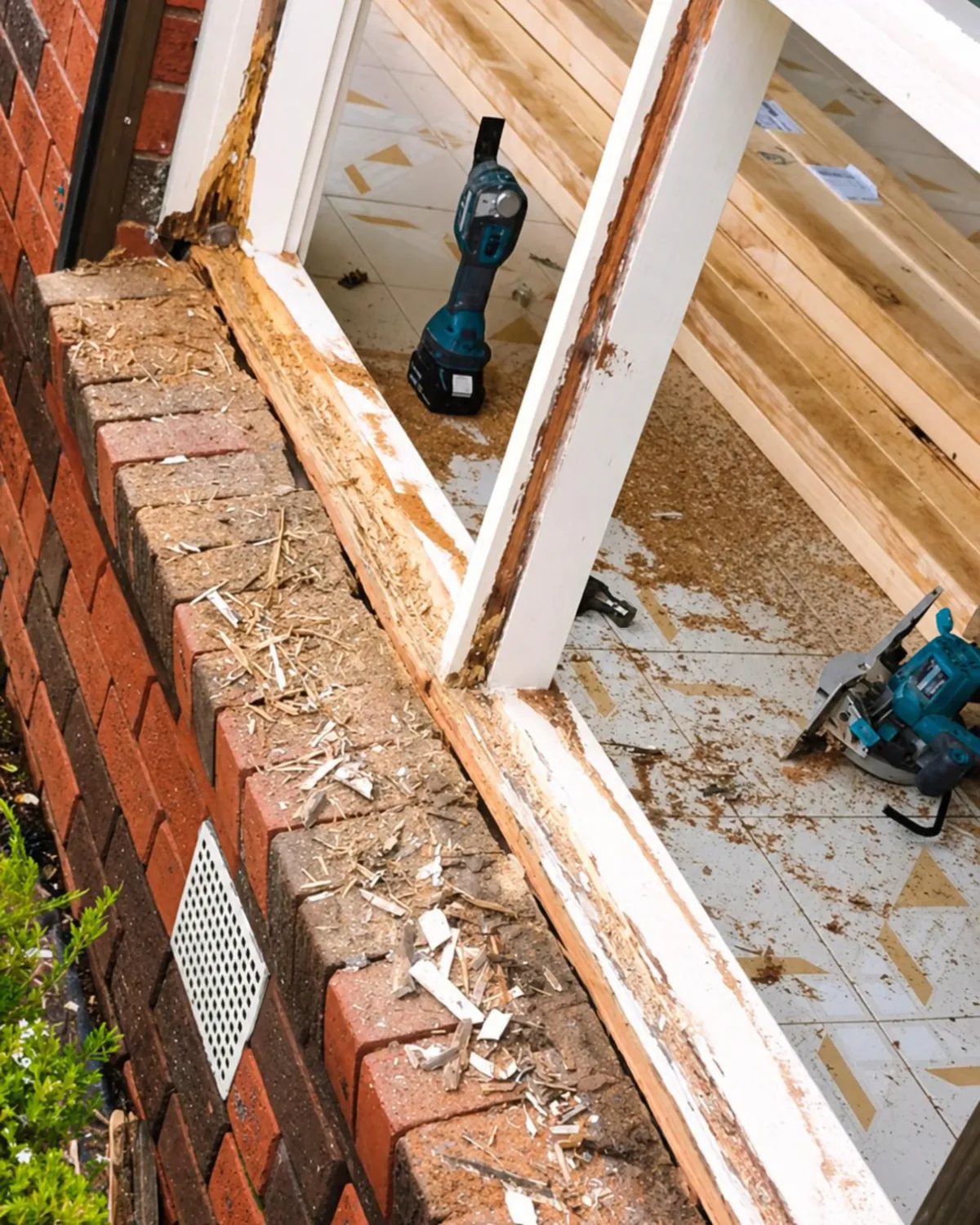
Cracked or missing putty. Putty seals the glass into the sash. Once it cracks and falls out, rain gets behind it and into the timber. Old putty comes out and the glass is bedded in fresh putty, then the timber is primed and painted so the repair lasts.
Casement windows
Casements are hinged windows that swing open on the side or top. They turn up in many bungalows and mid-century homes, and their problems differ from a sash window's:
- The sash catches on the frame. Swollen timber or a sagging sash can leave it rubbing or unable to close.
- The window will not latch. The sash may have dropped or the frame moved slightly, so the catch no longer lines up.
- It will not stay open. The stay or friction hinge may be worn.
- Rain gets in along the closing edge. Seals or painted-over gaps are the first things to check.
Whether a particular fault is a quick adjustment or a bigger repair depends on the window. Photos help. Send us a few and we will tell you plainly what can be repaired.
Old paint and lead
NSW Government guidance says lead paint was used in most homes built in Australia before 1970, and it can be a hazard when it chips around windows and doors. It recommends wet sanding and wet scraping as the safest ways to prepare a surface, advises hiring a professional trained in safe lead paint work, and says pregnant and breastfeeding women and young children should be kept away from renovations (NSW Government). The Victorian Department of Health has also warned renovators of older homes to take precautions and clean up thoroughly (SBS News).
Those are NSW guidance and a news report, not a statement of what Victorian law requires of you or of a tradesperson. If your windows are from before 1970 and you plan to scrape or sand, check the current Victorian guidance first.
What it costs
Our sash window guide gives the typical Melbourne range: $300–$700 per window for a repair, against $2,800–$5,800 for a new timber sash. These are guide figures, not a quote. The price depends on how much timber has rotted, whether the glass needs rebedding and whether cords and catches need work. If rot is in the frame, or a repair would cost more than about half a new window, replacement is worth discussing.
If you want us to look
Send photos of the sash, the sill and any soft or cracked timber, and tell us how many windows have problems. We look at each window and quote it in writing before work starts. See our timber and sash window repairs page for what we repair, or ask for a quote.
If your house is in a heritage overlay, read the heritage overlay windows guide before changing materials.
Questions
Why won't my sash window stay up?
Usually the sash cord has snapped or come off the weight, so nothing balances the sash. Sometimes the cord is intact but the sash is jammed by paint or swollen timber and is not moving freely. Look at which it is before pulling on it.
Can a painted-shut window be freed?
Often, yes. The usual method is to cut the paint seal along the sides, the sill and the meeting rail before prying anything, and to do it gently. On older homes the paint may contain lead, so avoid dry sanding and heavy scraping.
Can I replace sash cords myself?
It can be done, but it is fiddly. The sash has to come out, the weight pocket has to be opened and the new cord has to suit the pulley and weight. If the pocket panel, beads or glass are fragile, a repairer is the safer choice.
Can a rotten sill be repaired?
Often, if the rot is local. Soft timber is cut back to sound wood and new hardwood is spliced in, as set out in our repair or replace guide. If the rot has reached the structural frame, replacement may be the better call.
Is the old paint on my windows lead paint?
Possibly. NSW Government guidance says lead paint was used in most Australian homes built before 1970. If your home is that old, treat the paint as lead paint until it has been tested, and do not dry sand it.
Do I need to repair the window or just reseal it?
If the window works, closes and is dry, a seal may be all it needs. If it sticks, will not close, lets water in or has soft timber, fix the cause first. A seal on a window that does not work properly just hides the problem.
Was this guide helpful?

We supply and install double-glazed aluminium windows and doors, alfresco enclosures and glass partitions, and repair timber windows across Melbourne from our base in Bundoora. 5.0 ★ on Google.
Keep reading
Related guides
Timber windows5 min read
Heritage overlay windows in Melbourne: what you can repair without a permit
Living in a Melbourne heritage overlay? What the planning rules say about repairing, replacing and double glazing old windows, and who to ask.
Timber windows2 min read
Repair or replace timber sash windows? A Melbourne guide
How to tell whether timber sash windows can be repaired, what the repair involves, typical Melbourne costs, and when replacement is the better call.
Repairs3 min read
Fog between double-glazed panes: replace the unit, not the window
Mist or fog trapped between double-glazed panes means the unit's seal has failed. Why it can't be wiped away, why drilling is a stopgap, and what the fix is.