
Heritage overlay windows in Melbourne: what you can repair without a permit
Living in a Melbourne heritage overlay? What the planning rules say about repairing, replacing and double glazing old windows, and who to ask.
By Glassy Slide teamPublished 5 min read
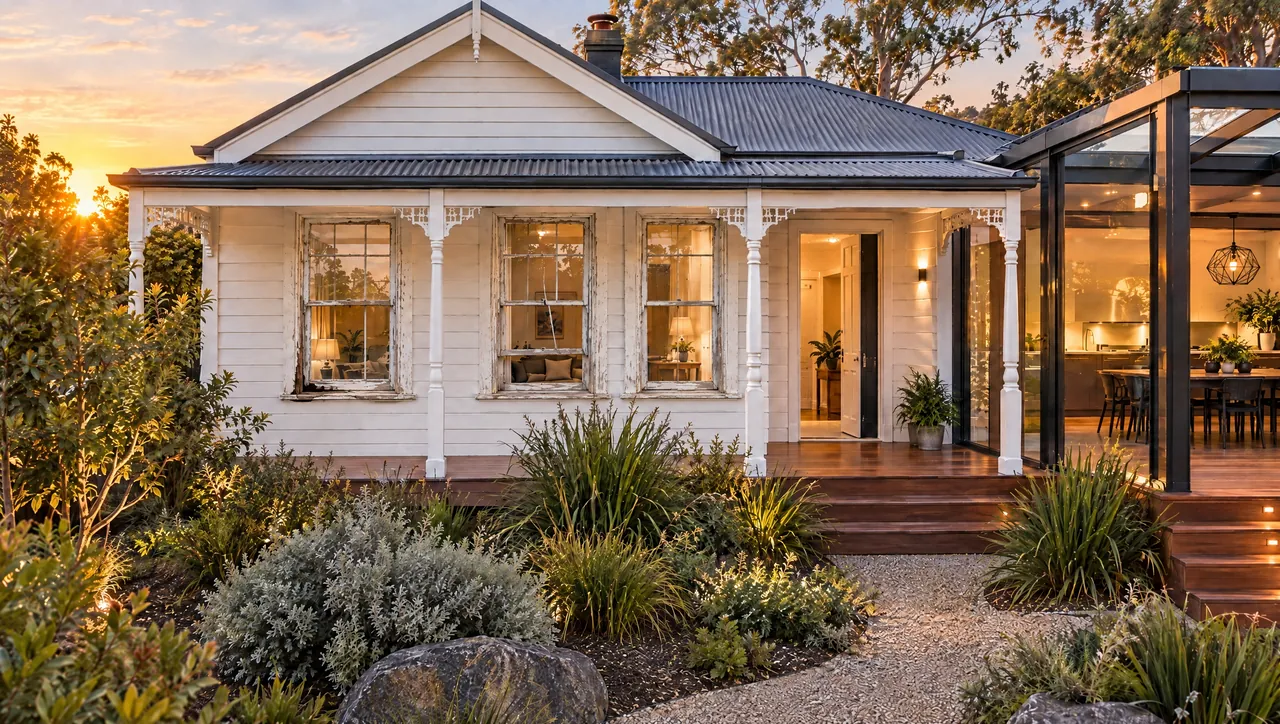
If your house is in a heritage overlay, the rules about windows can feel like a maze. Old timber windows are often the most visible part of the street frontage, and councils care about them. The good news is that the planning rules lean towards repair, and repair is what most tired timber windows need anyway.
This guide sets out what the planning rules actually say, using council and state sources, and where the honest answer is "ask your council". It is general information, not planning advice, and it is not a ruling on your property.
Two permits, not one
A heritage overlay is a planning rule. A building permit is a separate thing, covering structural work. A job can need one, both or neither.
Monash Council's renovation guide puts the line this way: structural window changes, such as altering the size of a window or removing one, need a building permit, while its general repair and like-for-like replacement guidance concerns exemption from a building permit (Monash Council). That does not establish a planning-permit exemption under a heritage overlay. Check planning requirements with your council and building-permit requirements separately with a building surveyor.
What the heritage overlay says about repairs
The heritage overlay is Clause 43.01 of the Victoria Planning Provisions. It asks for a permit to "carry out works, repairs and routine maintenance which change the appearance of a heritage place or which are not undertaken to the same details, specifications and materials" (Planning Victoria, Clause 43.01). Councils repeat the same wording on their own pages (Mornington Peninsula Shire).
Read that sentence slowly. Repairs are not banned. A repair that keeps the appearance and uses the same details, specifications and materials does not trigger the permit in that sentence. A repair that changes the look, or swaps the material, does. Each council also has its own schedule and local policy, so the full picture is in your planning scheme.
What one council says in practice
Merri-bek Council's heritage guidelines are a good example of how a council explains it:
- Repair means removing deteriorated material and fitting new. "When the new material is the same as the old a planning permit is not required."
- "If the proposed material is of different appearance, then planning approval will be required."
- "Replacing windows or re-roofing with new materials will usually require a permit."
- Even putting traditional-style timber windows back in place of non-original aluminium ones counts as restoration, and "restoration requires a planning permit."
(Merri-bek Council heritage guidelines, May 2021)
That last point surprises people. Changing a window back to something more original can still need a permit, because it is a change. Monash makes a related point: windows are a big part of the heritage appearance, so removing or significantly changing them is unlikely to be approved, and the timing for your application should be checked directly with the council (Monash Council).
These are two councils. Others differ, and some have their own exemption policies. Do not assume yours matches.
What a like-for-like window repair looks like
A proper timber window repair is the kind of work the rules describe as keeping the same details and materials. The rot is cut out, new hardwood is spliced in to follow the original profile, the glass is reglazed and the window is primed and painted. The frame, proportions and glass pattern stay. We walk through the steps, and when repair stops making sense, in our guide to repairing or replacing timber sash windows.
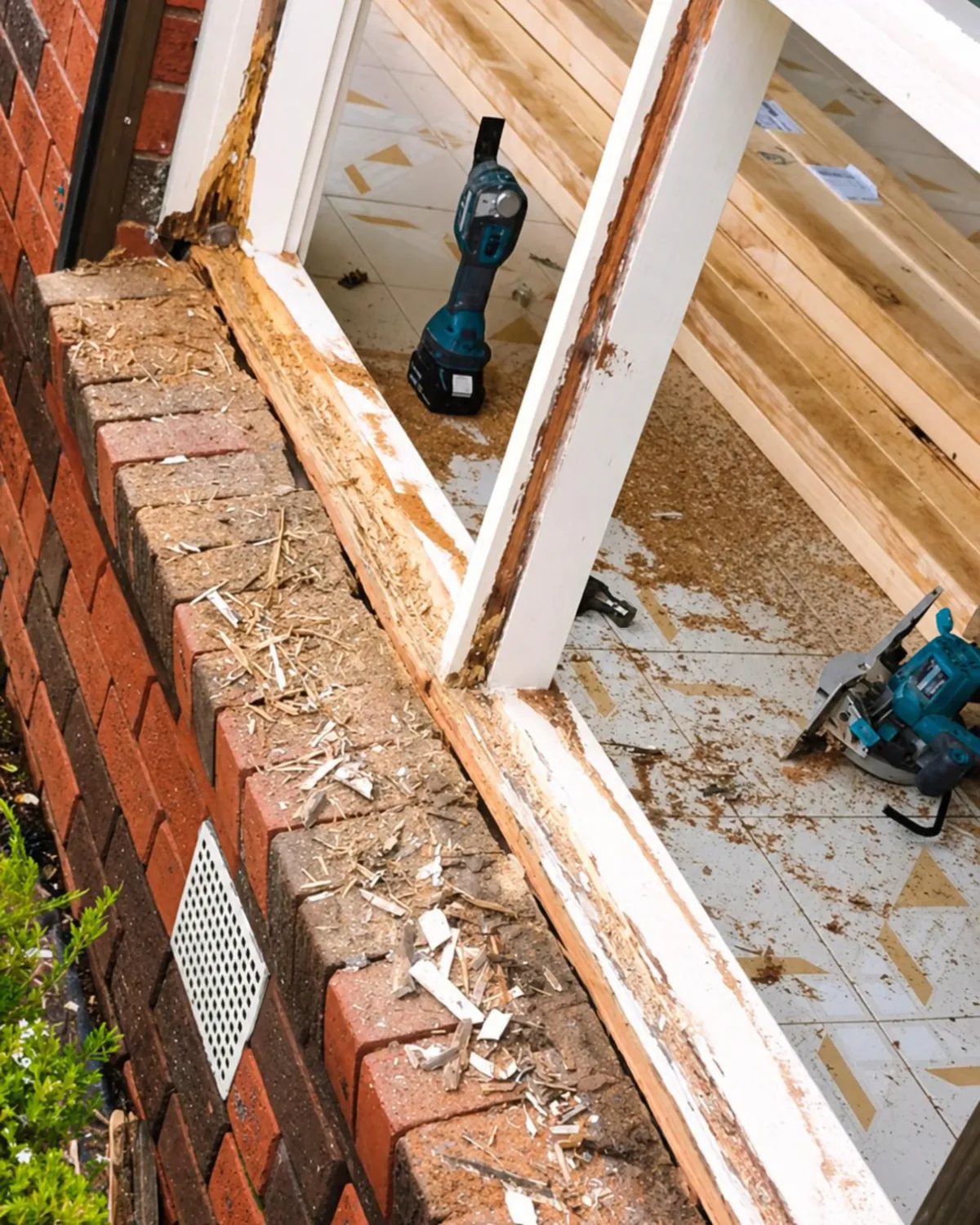
Whether a particular repair needs a permit is your council's call, because it depends on your overlay and what exactly changes. Our timber window repairs service is repair and reglazing, not new timber windows.
Double glazing and secondary glazing
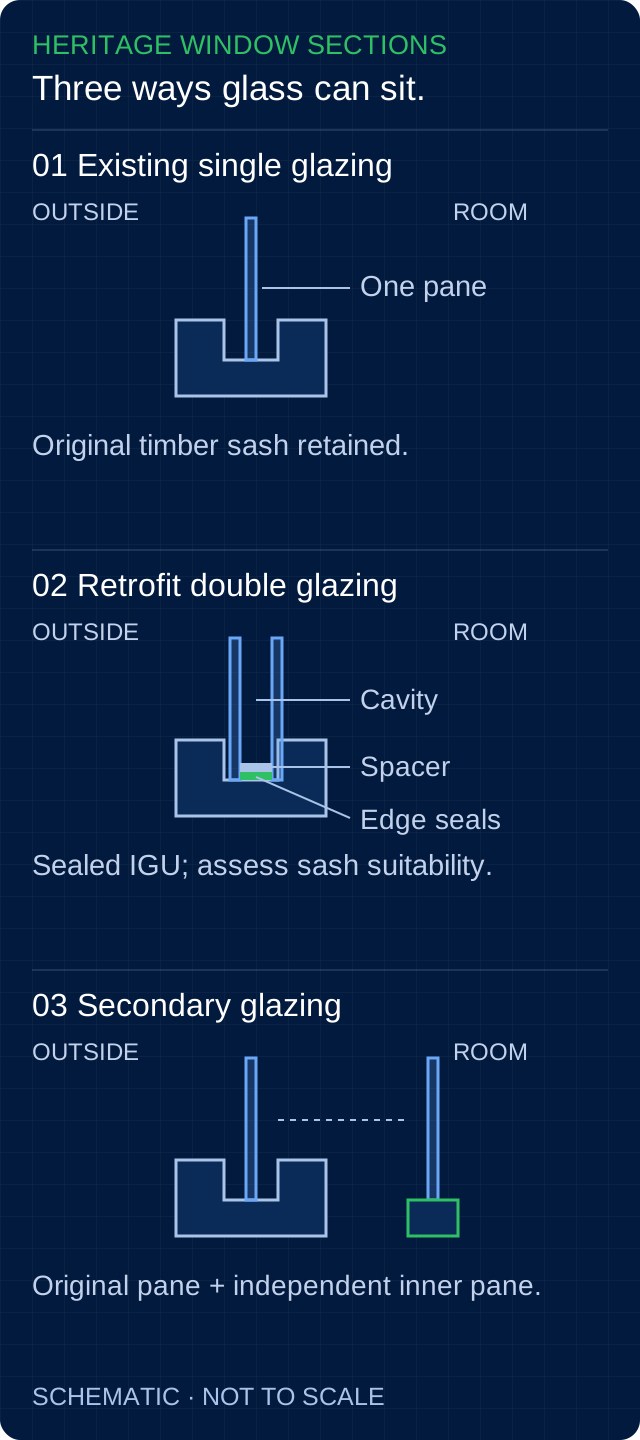
There is specific council guidance on retrofitting double glazing. Yarra City Council's heritage energy-efficiency guide describes replacing the single pane within an existing frame with double glazing while retaining the window's appearance. It says carefully carried-out work that does not affect heritage significance, character or appearance does not require a planning permit. Its process still asks owners to check the property's heritage grading, applicable exemptions and obtain confirmation from its planning team.
That is Yarra's guidance, not a statewide exemption. A sealed insulating glass unit (IGU) has two panes, a spacer, a sealed cavity and edge seals. Whether it can be fitted to a particular sash depends on its condition, glazing rebate, additional weight and suitable glazing and drainage details. Ask your council before ordering and have the window assessed.
What the sources do say is that secondary glazing, a separate pane on the room side, is the usual suggestion for heritage windows. Monash calls a second pane "a good compromise with heritage windows" and says it "should not need structural alterations that would require a building permit". Sustainability Victoria describes secondary glazing as "a popular solution for improving the energy efficiency of heritage windows" because it maintains the existing character (Sustainability Victoria). That does not remove the need to check your own overlay.
For the options on aluminium windows, see double glazing existing aluminium windows.
How to find out if you are in an overlay
Search your address on VicPlan, which shows the zones and overlays that apply to a property and links to the planning rules (VicPlan). Your council planning team can also tell you, and some offer heritage advice before you apply.
Victorian Heritage Register places
A small number of homes are on the Victorian Heritage Register. Those are handled by Heritage Victoria, and works usually need its approval unless an exemption applies. Its general exemptions list maintenance and cleaning and minor repairs, but an exemption will not apply to works likely to cause harm (Heritage Victoria). If your home is on the Register, start there.
Before you book any window work
- Check your address on VicPlan.
- Ask your council whether the repair you have in mind needs a planning permit.
- Photograph the windows now, so the repair can match what is there.
- If you are in a townhouse or unit, check your owners corporation as well. Our guide to permits in Victoria uses the same "your council decides" approach for alfresco work.
The short version
The heritage overlay does not ban window repairs. It asks for a permit when a repair changes the appearance or is not done to the same details, specifications and materials. Like-for-like repair is the path councils describe as usually not needing one, replacement with new materials usually does, and double glazing is a question for your council. If your timber windows need work, talk to us about a repair quote.
Questions
Do I need a permit to repair windows in a heritage overlay?
It depends on the repair. The heritage overlay requires a planning permit for works and repairs that change the appearance of the place or that are not done to the same details, specifications and materials. Merri-bek Council says that when new material is the same as the old, a planning permit is not required. Your own council has the final say.
Can I replace my heritage windows?
Replacing windows with new materials will usually need a planning permit, according to Merri-bek Council. Monash Council says the shape, size, placement and colouring of windows is often a big part of the heritage appearance, so removing or significantly changing them is unlikely to be approved.
Can I double glaze a heritage sash window?
Yarra City Council describes carefully carried-out double-glazing retrofits within existing frames that preserve heritage significance, character and appearance as not requiring a planning permit. This is council-specific guidance, not a statewide exemption. Check your property's grading, applicable exemptions and proposed work with your council before ordering; the sash also needs a technical assessment.
Is secondary glazing allowed in a heritage overlay?
Monash Council calls a second pane a good compromise with heritage windows and says it should not need structural alterations that would require a building permit. Sustainability Victoria calls secondary glazing a popular solution for heritage windows. Check with your council for your property.
How do I find out whether my house is in a heritage overlay?
Search your address on VicPlan, the state planning map, or ask your council planning team. Both show the overlays that apply to the property.
Is Heritage Victoria different from my council?
Yes. Places on the Victorian Heritage Register are dealt with by Heritage Victoria, and works there usually need its approval unless an exemption applies. Most heritage homes are protected by a council overlay instead, so start with your council.
Was this guide helpful?

We supply and install double-glazed aluminium windows and doors, alfresco enclosures and glass partitions, and repair timber windows across Melbourne from our base in Bundoora. 5.0 ★ on Google.
Keep reading
Related guides
Timber windows2 min read
Repair or replace timber sash windows? A Melbourne guide
How to tell whether timber sash windows can be repaired, what the repair involves, typical Melbourne costs, and when replacement is the better call.
Double glazing5 min read
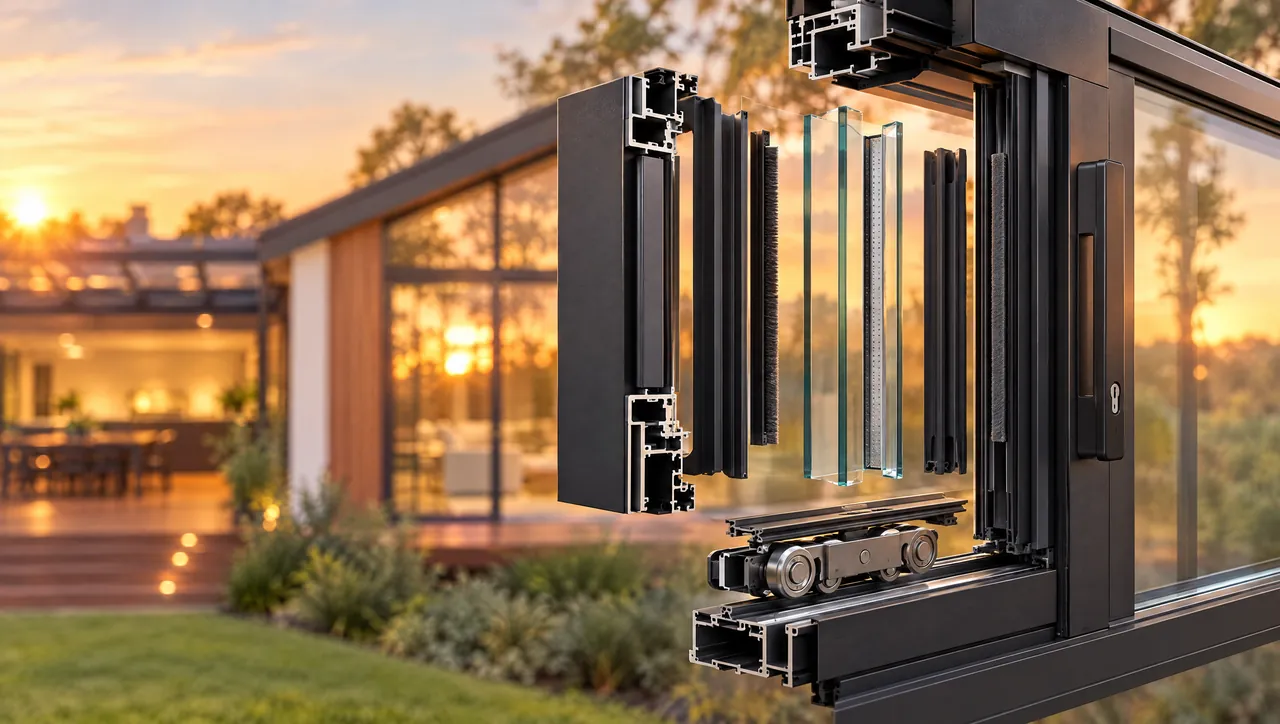
Can you double glaze existing aluminium windows? Retrofit, secondary glazing or replace
Can your old aluminium windows take double glazing? Retrofit, secondary glazing and full replacement compared, with a checklist for your frames.
Shopfronts4 min read
Accessible shop entrances: when a new door triggers an upgrade
When must a new shop door or shopfront be accessible? How the Premises Standards, the affected part and the tenant concession work, in plain English.