
Do I need a permit to change my shopfront in Victoria?
When a Melbourne shopfront change needs a building permit, a planning permit or heritage approval, what is usually exempt, and who decides.
By Glassy Slide teamPublished 3 min read
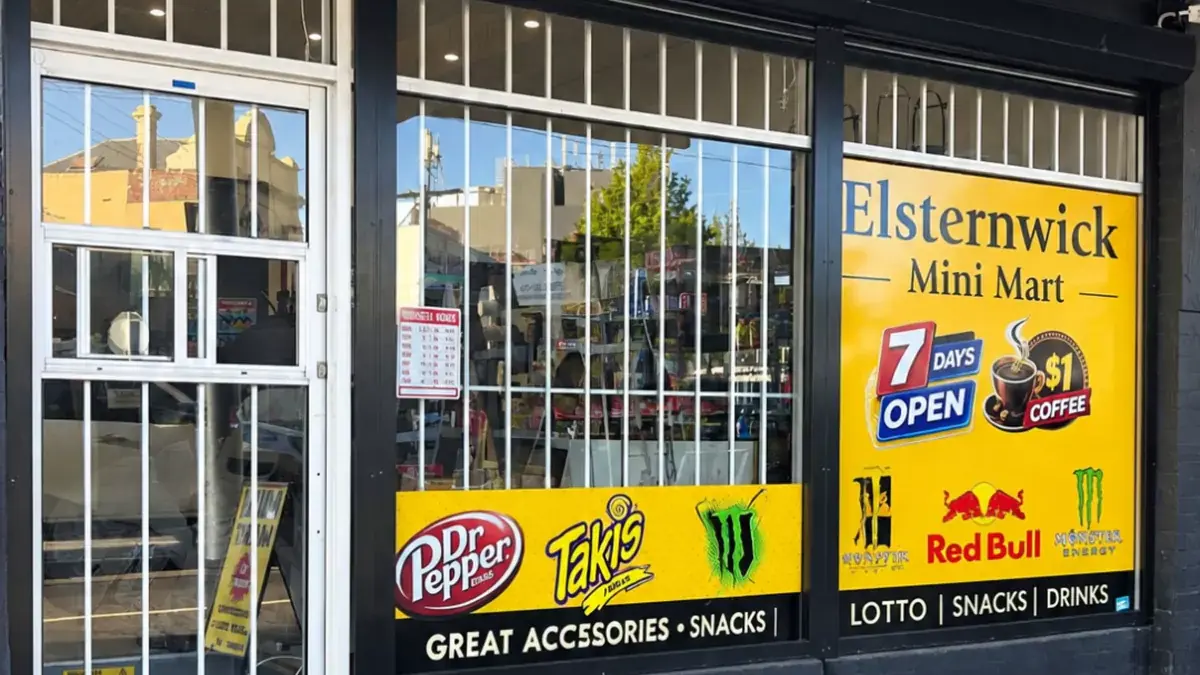
Before a new shopfront goes in, it's worth knowing which approvals it needs. Get it wrong and you can end up with a stop-work notice, a refused sign, or a shopfront that has to come out again. Here's how the rules work in Victoria, in plain English.
This is a general guide. The registered building surveyor and your council decide what your shopfront needs, not the glazier.
Two separate tests: building and planning
Victoria has two separate permit systems, and a shopfront can need one, both or neither:
- A building permit is about safety and construction: structure, exits, glass, access. It's issued by a registered building surveyor.
- A planning permit is about how the place looks and is used: heritage, signs, shutters. It's issued by your council.
Building permit: repair is usually exempt, change usually isn't
Building work on a shop needs a building permit unless it's exempt under Schedule 3 of the Building Regulations 2018. The exemption that matters here covers repair, renewal or maintenance with like materials that doesn't affect the structure or safety of the building (Building and Plumbing Commission, BP-01). Replacing a broken pane in the same frame is usually in that group.
Work that changes the structure, the exits and paths to them, or essential safety measures usually needs a permit (Hume City Council). Making an opening bigger or moving a door generally affects the structure (City of Monash). Even exempt work still has to meet the National Construction Code, including safety glass in and beside doors.
The energy rules changed in 2026
Victoria adopted NCC 2025 for new building work from 1 May 2026, with tighter energy-efficiency rules for commercial buildings (HIA). If your shopfront needs a building permit, the surveyor may require the new glazing to meet those rules, which can mean performance glass. Ask early, because it affects the glass and the price.
Accessible entrances
Where a building permit is needed, the Disability (Access to Premises – Buildings) Standards apply to the new work and to the "affected part": usually the main entrance and the path from it to the new work (Australian Human Rights Commission). A tenant doing work only inside their own leased area is generally excused from upgrading the affected part (VBA Practice Note AC-01). A new entry door can bring in requirements such as clear width and visual markings on the glass, so involve the building surveyor or an access consultant before the door is ordered.
Planning: heritage, signs and shutters
Heritage Overlay. In a Heritage Overlay (clause 43.01), almost any external change needs a planning permit (City of Melbourne). Councils' heritage guidelines usually favour keeping the traditional shopfront parts, such as the stallboard, the framing and the recessed entry, and changing only the glass. Port Phillip's guideline, for example, supports "sympathetic alteration to the glazed areas only (not to framing elements or doors)" (City of Port Phillip). Check your property on VicPlan to see if an overlay applies.
Signs. In the City of Melbourne, most signs fixed to a shopfront need a planning permit (City of Melbourne). Other councils have their own rules, so ask before you order signage or large logos on the glass.
Shutters. External roller shutters often need a permit, and the Melbourne Planning Scheme discourages solid ones on shopfronts. Our shopfront security guide compares shutters with internal grilles and laminated glass.
Your lease comes first
Many shop leases need the landlord's written consent before you change the shopfront, and shopping centres often have their own design rules. At the end of the lease you may have to return the shopfront to its original state. Read the alterations and make-good clauses before you start.
Before you order a new shopfront
- Check the lease and get the landlord's consent.
- Look up your property's planning controls (heritage, signs).
- Ask a registered building surveyor whether the work needs a building permit.
- Then get a measured, written quote that names the glass and doors.
Talk to us early
We replace shopfront glass, doors and frames across Melbourne and work to the approved plans, selecting glass for each opening, including under AS 1288. Tell us early if your shop is in a heritage area or the work needs a permit, and we'll quote to suit. See shopfronts and entry doors, the shopfront cost guide or ask for a shopfront quote.
Questions
Do I need a building permit to replace shop glass?
Usually not for repair or replacement with like materials that doesn't affect the structure or safety of the building. Changing the size of an opening, the structure, the exits or essential safety measures usually does need one. The registered building surveyor decides.
Do I need a planning permit to change my shopfront?
It depends on the planning controls. In a Heritage Overlay almost any external change needs a permit, and most signs fixed to a shopfront need one in the City of Melbourne. Ask your council before you commit.
Can I put roller shutters on my shop?
Often only with a planning permit. The Melbourne Planning Scheme discourages solid roller shutters on shopfronts, and heritage guidelines are stricter. Internal or open-mesh grilles are usually easier.
Does a new shop door have to be accessible?
Where a building permit is needed, the new work and usually the main entrance must meet the disability access rules, with some concessions for tenants working only inside their own tenancy. A building surveyor or access consultant can tell you what applies.
Who checks whether my shopfront complies?
The registered building surveyor for building permits, and your council for planning and heritage. The glazier builds to the approved plans and the standards, but doesn't decide whether a permit is needed.
Was this guide helpful?

We supply and install double-glazed aluminium windows and doors, alfresco enclosures and glass partitions, and repair timber windows across Melbourne from our base in Bundoora. 5.0 ★ on Google.
Keep reading
Related guides
Shopfronts3 min read
Replacing an old shopfront: modern aluminium doors, sliding doors and security glass
When an old Melbourne shopfront is worth replacing, what a modern aluminium door system, sliding or automatic doors and security glass involve, and how the job runs.
Shopfronts3 min read
Shopfront security: laminated glass, film, shutters or bollards?
How laminated glass, toughened glass, security film, grilles, shutters and bollards compare for protecting a Melbourne shopfront, and which need a permit.
Cost guides3 min read
What does a new shopfront cost in Melbourne? (2026)
Published market figures for shopfront glass, board-ups and automatic doors, what actually moves the price of a new shopfront, and how to compare quotes in Melbourne.