
Shopfront security: laminated glass, film, shutters or bollards?
How laminated glass, toughened glass, security film, grilles, shutters and bollards compare for protecting a Melbourne shopfront, and which need a permit.
By Glassy Slide teamPublished 3 min read
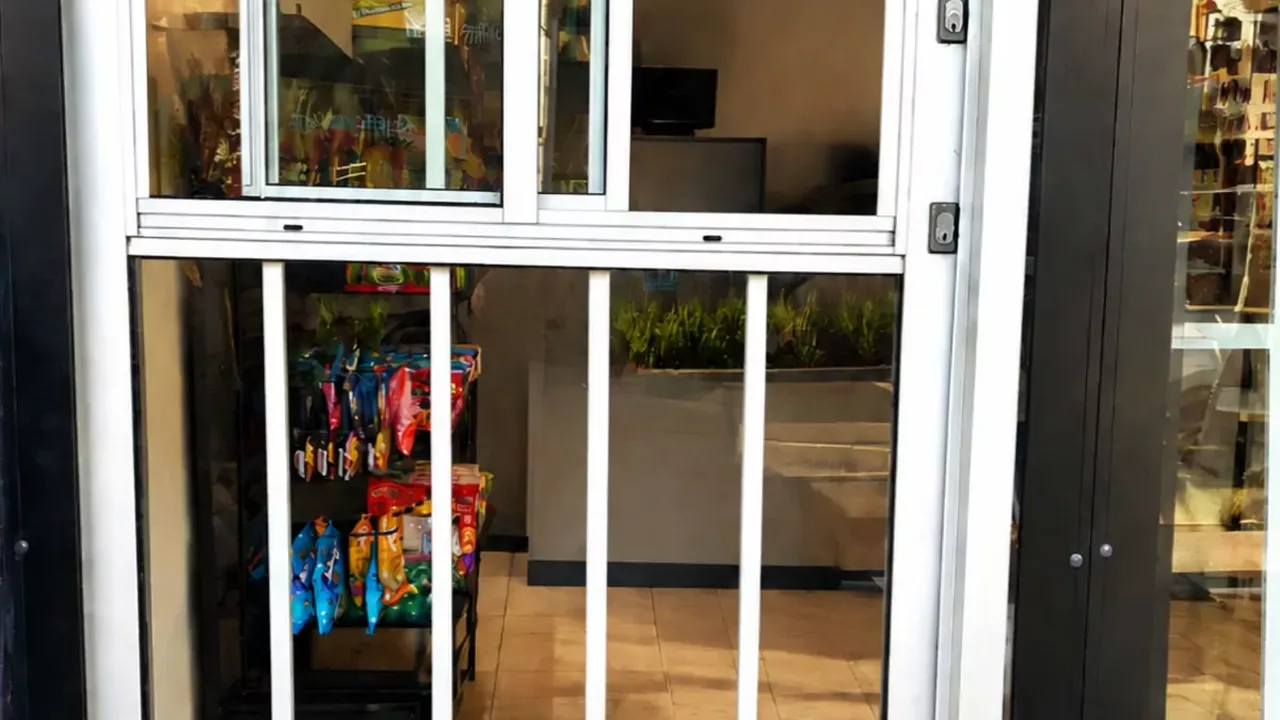
Shop owners in Melbourne have had good reason to think about security lately. Recorded retail offences in Victoria reached about 99,000 in the year to June 2025, a ten-year high (RACV), and a run of ram raids hit Melbourne stores the same year (Victoria Police). Since 16 March 2026, using a vehicle to break into a building is aggravated burglary in Victoria, with a maximum of 25 years (Lily D'Ambrosio MP).
Theft from shops often starts with broken glass, whether it's a smashed pane or a vehicle through the front. The law punishes it afterwards. Your shopfront decides how easy it is on the night. Here's how the options compare.
The options at a glance
| Option | What it does | What it needs |
|---|---|---|
| Toughened glass | Several times stronger than ordinary glass, but the whole pane falls out when it breaks | Made to size; safety glass may be required for the opening |
| Laminated glass | Cracks but stays in the frame, so the shop stays shut | A frame and fixings strong enough to hold it |
| Toughened laminated | Strength and the holding interlayer together | Made to size; heavier, so check the frame |
| Security film | Holds broken glass together and slows entry; less effective than laminated | Fixing to the frame matters; a stopgap or budget option |
| Internal grille | A barrier behind the glass after hours | Usually avoids external planning issues |
| External shutter | A solid or mesh barrier over the frontage | Often a planning permit; discouraged in heritage areas |
| Bollards or planters | Stop a vehicle reaching the glass | Council and landlord approval for the footpath |
Laminated beats toughened for security
Toughened glass is about five times stronger than ordinary glass, so it's harder to break. But when it does break, it shatters into small pieces and the whole pane goes, leaving the shop open (Onya Magazine). Laminated glass has a plastic interlayer between two sheets. Hit hard, it cracks, but the pieces stay stuck to the interlayer and the pane stays in the frame. That's why a UK council's shopfront security guide recommends it, and warns that toughened glass shouldn't be described as protection against forced entry (Conwy County Borough Council).
Two catches. The frame and fixings become the weak point if they aren't up to the new glass; security is the whole assembly, glass, frame, door and lock. And laminated glass is not a certified anti-ram product: it slows people down, it doesn't stop a car. Our guides to laminated vs toughened glass and secure windows and doors explain the glass in more detail.
Security film: a step, not a replacement
Security film is applied to the inside of existing glass. It helps hold broken glass together and buys time, which makes it a sensible step where replacing the glass isn't possible yet. It's not as effective as laminated glass, and how well it works depends on how it is fixed to the frame (Conwy County Borough Council).
Shutters and grilles: check the planning rules first
Shutters work, but in Melbourne they often need a planning permit. The Melbourne Planning Scheme asks to "avoid solid roller shutters on shopfronts" in favour of open mesh or transparent grilles (Melbourne Planning Scheme, cl 15.01), and Port Phillip's heritage shopfront guideline calls roller shutters "a clumsy accretion on the façade" (City of Port Phillip). Internal grilles, behind the glass, avoid most of these issues and keep the window display visible. Our shopfront permit guide covers when a permit is needed.
Against vehicles: bollards, not glass
No shop glass will stop a car. What stops a vehicle is something solid in front of the shop: bollards, heavy planters or a raised kerb. These sit on the footpath, so they need council and landlord approval. If your shop has been hit, or the shops around you have, raise it with your council and your traders' association.
Insurance and the lease
Check what your insurer expects for glass and security, and what your lease says about changes to the shopfront. Many leases need the landlord's consent for alterations, and who pays when glass breaks depends on the law, your lease and your policy. See who pays for a broken shop window.
Secure your shopfront
We fit laminated and toughened safety glass, security film, and shutters and grilles, repair shop doors and locks, and make broken shopfronts safe 24/7 on 0410 107 794. See safety glass replacement, shopfronts and entry doors or ask for a shopfront quote.
Questions
Is laminated or toughened glass better for a shopfront?
For security, laminated glass. Toughened glass is several times stronger than ordinary glass, but when it breaks the whole pane falls out. Laminated glass cracks but stays in the frame, so the shop stays closed until the glass is replaced.
Does security film work on shop windows?
It helps hold broken glass together and slows someone down, but it is not as effective as laminated glass, and it depends on how it is fixed to the frame. It suits shops that can't replace the glass yet.
Do I need a permit for roller shutters in Melbourne?
Often, yes, for external shutters. The Melbourne Planning Scheme discourages solid roller shutters on shopfronts, and heritage areas are stricter. Internal or open-mesh grilles usually avoid most of the problem. Check with your council.
Will glass stop a ram raid?
Glass alone won't stop a vehicle. Bollards or planters in front of the shop are what stop a car; laminated glass and a strong frame make it harder to get in afterwards. Bollards on the footpath need council approval.
What changed with Victoria's ram-raid law?
From 16 March 2026, using a vehicle to damage a building to get in is treated as aggravated burglary in Victoria, with a maximum penalty of 25 years.
Was this guide helpful?

We supply and install double-glazed aluminium windows and doors, alfresco enclosures and glass partitions, and repair timber windows across Melbourne from our base in Bundoora. 5.0 ★ on Google.
Keep reading
Related guides
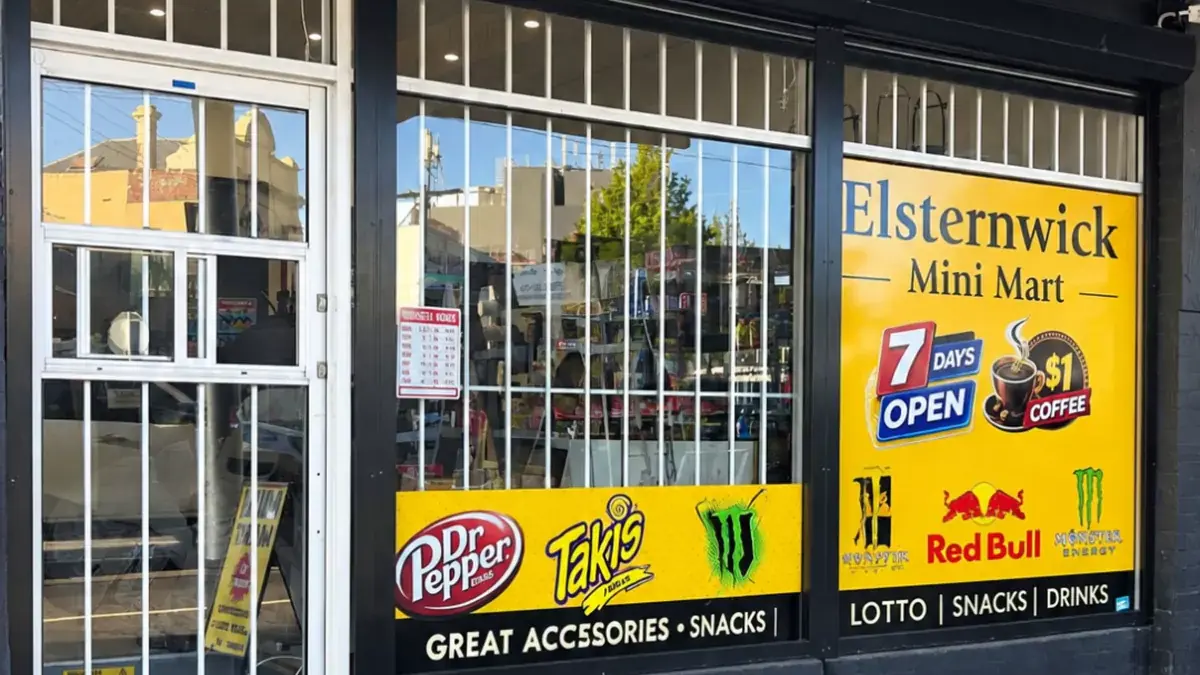
Shopfronts3 min read
Do I need a permit to change my shopfront in Victoria?
When a Melbourne shopfront change needs a building permit, a planning permit or heritage approval, what is usually exempt, and who decides.
Shopfronts3 min read
Replacing an old shopfront: modern aluminium doors, sliding doors and security glass
When an old Melbourne shopfront is worth replacing, what a modern aluminium door system, sliding or automatic doors and security glass involve, and how the job runs.
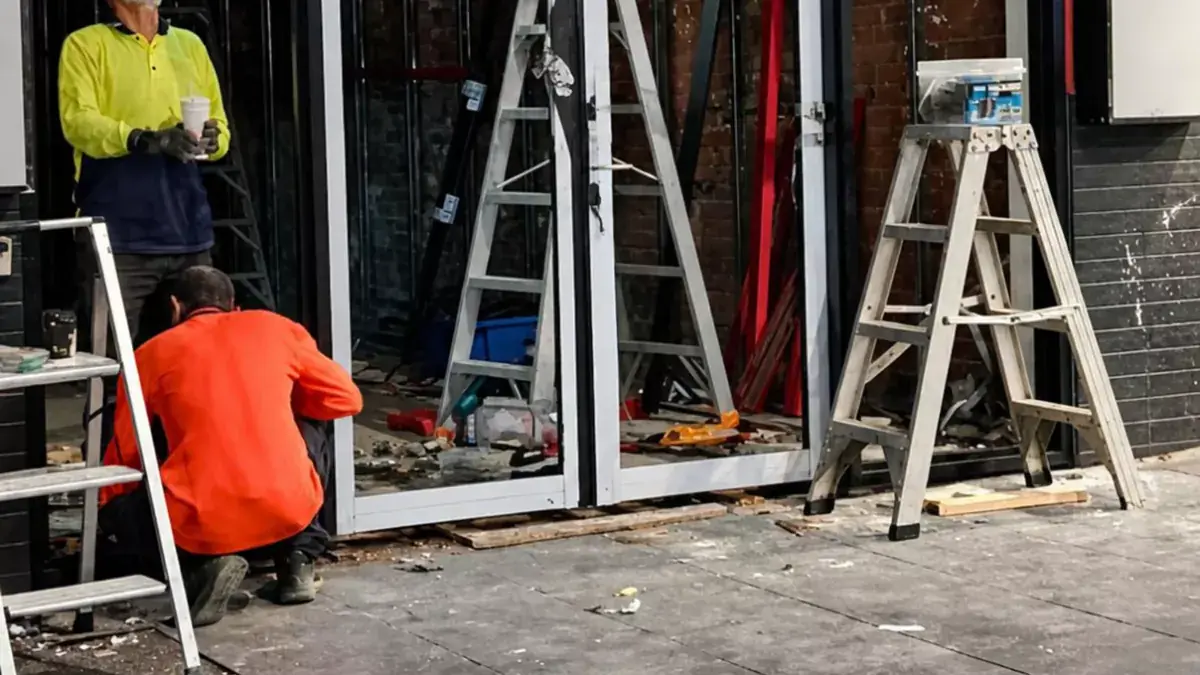
Cost guides3 min read
What does a new shopfront cost in Melbourne? (2026)
Published market figures for shopfront glass, board-ups and automatic doors, what actually moves the price of a new shopfront, and how to compare quotes in Melbourne.