
Double glazing rebates in Victoria (2026): what the VEU discount really covers
Is there a double glazing rebate in Victoria? What the Victorian Energy Upgrades discount covers, the official figures, who can claim it and what to ask.
By Glassy Slide teamPublished 5 min read
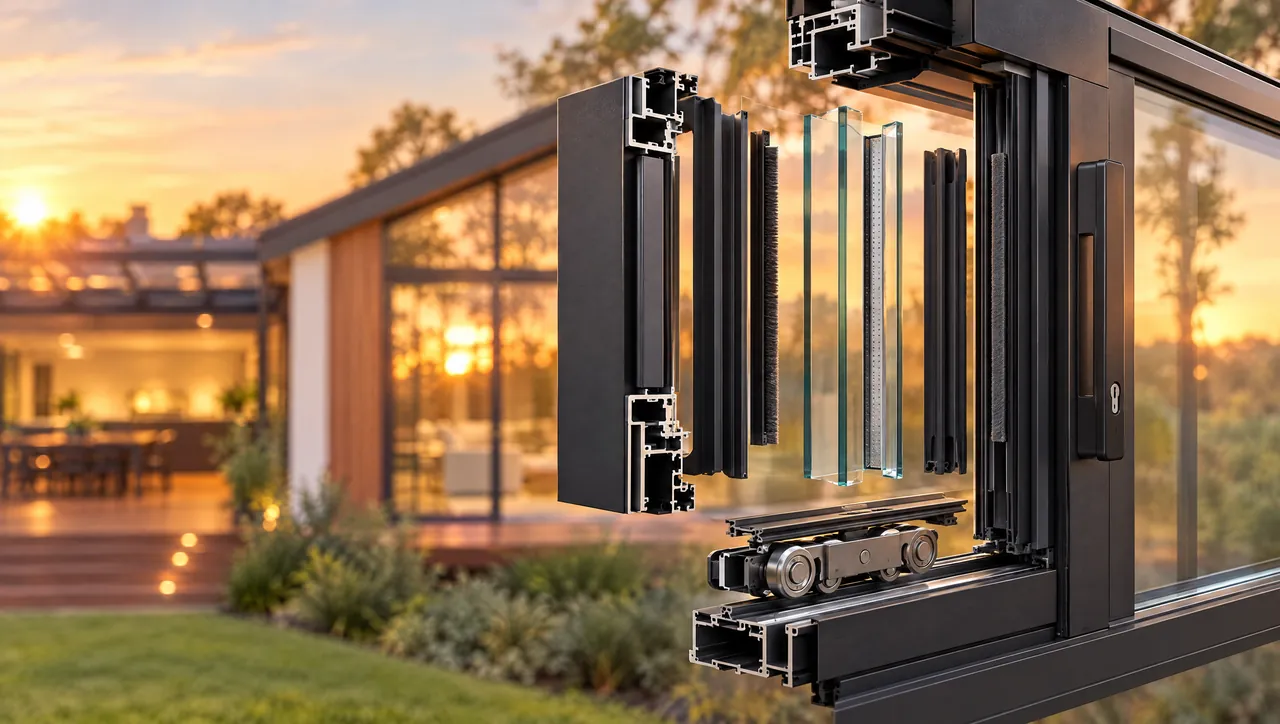
Search for a double glazing rebate in Victoria and you will find two very different numbers: a small one on the government's own page and a much larger one in some commercial articles. This guide sets out what the official page says, what decides the final amount, and what to ask before you let a discount change your decision. The figures are current as of 31 October 2026, and they can change, so check the official page before you commit.
The short answer
The main Victorian incentive for windows is the Victorian Energy Upgrades (VEU) program. The Victorian Government says households and most businesses with single-glazed windows can receive discounts for window upgrades, and that private renters are eligible too (Victorian Energy Upgrades, household window glazing). You do not apply to the government. The discount is delivered through an accredited provider, who sets the final price you pay.
What the official figures say
The government's discount page gives two indicative examples, both for four large single-glazed windows totalling 10 square metres (Window glazing discounts):
- Replacement with double glazing: $210. Four large single-glazed aluminium-framed windows replaced with four large double-glazed windows with a WERS rating of 4.2 heating stars.
- Secondary glazing: $140. Glass or acrylic added to the four existing single-glazed windows to create an air gap.
The page labels these figures indicative. As our own arithmetic, $210 across four windows is roughly $50 a window, so on the official example the discount takes a small slice out of the price of a window, not most of it. The discount page was last updated on 11 May 2026. The household page, which says the same thing in different words, shows an older update date, so use the discount page when you want the figures.
Where the bigger numbers come from
Some commercial articles quote more. One energy retailer's blog from April 2026 gives "around $350 rebate per window" and "approximately $3,500 total rebate for a standard home" as typical based on current offers (Energy Matters). It does not say how many windows a standard home has, so the two figures are hard to compare with the government's example.
We have not been able to reconcile the two sets of numbers, and we are not saying either is wrong. The official figure is an indicative example for a specific set of windows. A provider's offer will depend on its own certificate pricing and the products it quotes. The practical point is the one the government makes itself: the final amount is whatever your accredited provider's quote says, so treat any figure you read online as a prompt to ask, not as a number to budget on.
What decides the final amount
The official page lists the factors that set what you pay after the discount: the certificate price (which fluctuates), the product or upgrade you choose, your location, installation costs and the provider's administrative costs. It also notes that the program is market-based, so not every listed provider offers window upgrades at present, and providers choose when and where they work.
Against the typical Melbourne ranges in our double glazing cost guide, a discount of this size helps but is unlikely to decide the job on its own. Choose the right upgrade for your frames first, then see what the discount does to the quote.
Which upgrades qualify
The product has to be approved and listed on the VEU register. The discount page names two categories: "Double glazed window" and "Thermally efficient window product". The second is the category the page uses for secondary glazing.
That matters if you are comparing routes. Our guide to double glazing existing aluminium windows explains retrofit, secondary glazing and replacement, and where each one stops. The discount is only one input. A cheaper upgrade that does not suit your frames is not a saving.
How to claim it
You claim through an accredited provider. The government's page points you to its "Find an accredited provider in your area" register, and notes that accredited providers often work with installers who are not listed on the register. It does not say you can choose your own installer, so ask each provider who will do the work and whether the discount applies to that installer's job.
Before you agree to anything, ask:
- Is the business an accredited provider for window upgrades, and can they show it?
- Does the quote show the price before the discount, the discount and the price after, as separate lines?
- Which product is being installed, and is it on the VEU register?
- Who will install it, and how do I contact them afterwards?
- What do the contract terms say about fees, payment and any cooling-off period?
This guide is general information. It does not mean any particular installer, including us, can claim the discount for you. Ask each business you speak to.
Your rights when someone offers you a discount
The Essential Services Commission publishes the rules accredited providers must follow (Your consumer rights in the Victorian Energy Upgrades program). It says door-knocking for the program has been banned since 1 August 2024, after a ban on cold-call telemarketing from 1 May 2024, unless you have given consent. Participation is voluntary, and a marketer must not claim to work for the VEU program, the Commission or the Victorian Government. Providers must give you a contract with clear terms, explain the work before it starts and, after installation, give you their contact details, the installer's details and dispute resolution information. A complaint must be acknowledged within five business days.
If someone turns up uninvited and says you have to take part, that does not match the rules.
Renters and landlords
The official page says private renters are eligible and recommends that landlords and tenants work together. If you rent, you still need the rental provider's agreement before a window is changed, which is why a removable secondary pane is sometimes the easier route.
For landlords, the discount is optional. The rental rule starting on 1 July 2027 asks for draughtproofing of doors, windows and vents, not double glazing. Our rental draughtproofing checklist covers what it asks for and the gas safety check that comes first.
Is there a federal rebate?
We did not confirm any federal rebate for windows when we wrote this guide, so we have not listed one. Incentives change, so check the current Australian Government and Victorian Government energy pages before you budget on anything else.
The short version
The Victorian Energy Upgrades discount is real, open to most households and businesses with single-glazed windows, and available to private renters. It is claimed through an accredited provider, the official example is $210 for four large windows replaced with double glazing and $140 for secondary glazing, and the final amount is set by the provider's quote. Treat larger numbers you read online as questions to ask, check that any provider is accredited, and decide on the upgrade that suits your frames first.
Our double glazing and sliding doors page covers the options we work with and how we quote.
Questions
Is there a rebate for double glazing in Victoria?
There is a discount through the Victorian Energy Upgrades (VEU) program. It is open to Victorian households and most businesses with single-glazed windows, and it is claimed through an accredited provider rather than applied for by you. The official page calls its figures indicative and does not guarantee them.
How much is the VEU window discount?
The official example is $210 for replacing four large single-glazed aluminium-framed windows (10 square metres in total) with double-glazed windows rated 4.2 heating stars, and $140 for adding glass or acrylic to the same four windows to create an air gap. The final amount depends on the certificate price, the product, your location and the provider's costs.
Can renters claim the discount?
Yes. The official page says people in a private rental property are eligible, and it recommends that landlords and tenants work together on upgrades. Changing a window still needs the rental provider's agreement.
Does secondary glazing count?
Yes. The program lists it separately from double-glazed windows, under its own register category, with a lower indicative discount.
Do landlords have to double glaze a rental in Victoria?
Not under the VEU program, which is voluntary. The rental draughtproofing rule starting on 1 July 2027 asks for draughtproofing, not new glass.
Is there a federal rebate for windows?
We did not confirm one when this guide was written. Check the current Australian Government and Victorian Government energy pages before you budget on any other incentive.
Was this guide helpful?

We supply and install double-glazed aluminium windows and doors, alfresco enclosures and glass partitions, and repair timber windows across Melbourne from our base in Bundoora. 5.0 ★ on Google.
Keep reading
Related guides
Double glazing5 min read
Can you double glaze existing aluminium windows? Retrofit, secondary glazing or replace
Can your old aluminium windows take double glazing? Retrofit, secondary glazing and full replacement compared, with a checklist for your frames.
Repairs3 min read
Fog between double-glazed panes: replace the unit, not the window
Mist or fog trapped between double-glazed panes means the unit's seal has failed. Why it can't be wiped away, why drilling is a stopgap, and what the fix is.
Double glazing5 min read
Quieter and warmer windows: acoustic laminated glass vs double glazing
Traffic noise or a cold house? How acoustic laminated glass and double glazing compare on noise and heat, what the ratings mean, and when to combine them.