
Shop theft and break-ins: how glass gets broken and how to make it harder
How thieves get through shop glass, doors and locks, which upgrades make a break-in harder, and what to do straight after theft or a smashed window in Melbourne.
By Glassy Slide teamPublished 3 min read
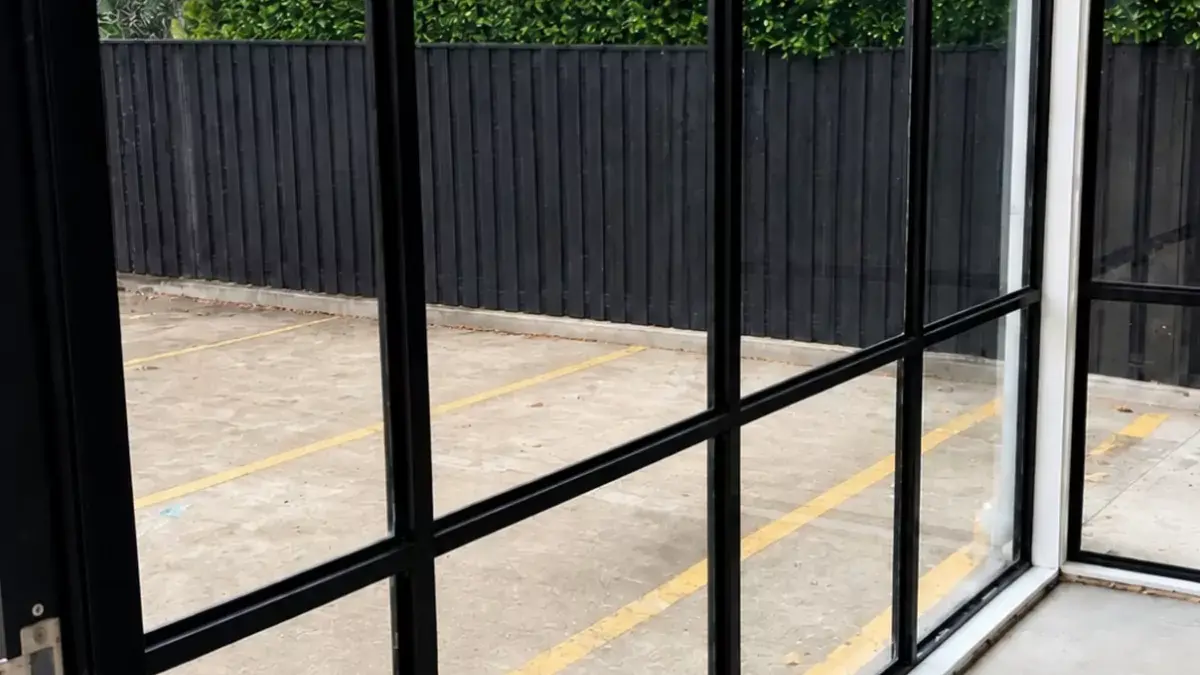
Most shop break-ins aren't clever. They go through the quickest way in, and in a glazed shopfront that is usually the glass, the door or the lock. This guide looks at how that happens and which upgrades make it harder, without pretending any shopfront is impossible to get into.
How thieves get through a shopfront
- Breaking the glass. A thrown object or a tool through a pane in the door or window, often at night, so the shop is entered through the opening.
- Forcing the door. Attacking the lock, the latch, the hinges or the frame, especially where a door has dropped or doesn't close squarely.
- Prising out a pane. Glass held in a weak or worn frame can be lifted or pushed out.
- A vehicle through the front. The most serious case. Since 16 March 2026, using a vehicle to break into a building is aggravated burglary in Victoria, with a maximum of 25 years (Lily D'Ambrosio MP). The law punishes it afterwards; your shopfront decides how easy it is on the night.
What makes it harder
Security comes from the whole front, not one product: glass, frame, fixings, door and lock.
- Laminated glass. It bonds glass to an interlayer, which helps retain fragments after breakage, so a cracked pane often stays in the frame. It can improve resistance to penetration, but a damaged pane or frame may still fail and must be assessed and made safe.
- Ordinary safety glass is not security glazing. Toughened or laminated safety glass selected under AS 1288 is about reducing injury when glass breaks. Tested security glazing is a different, rated product for resisting attack.
- A frame that holds. Strong glass in a worn or loose frame is still a weak front. Frames and fixings may need to be upgraded with the glass.
- Sound doors and locks. A door that drops, drags or won't latch is an invitation. Closers, pivots, patch fittings and locks can often be repaired on aluminium and frameless shop doors.
- Security film. A surface treatment on existing glass that can help hold broken glass together; it is not the same as laminated glass, and it depends on how it is attached to the frame.
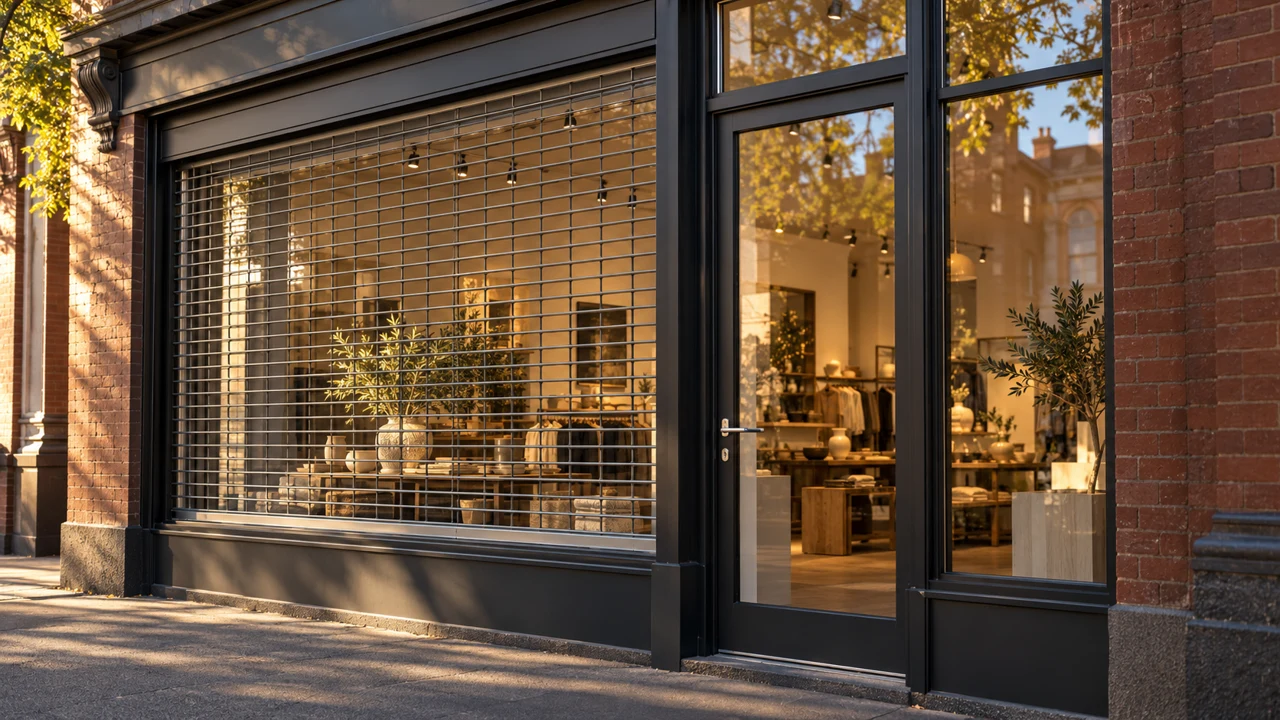
- Internal grilles or shutters. A barrier behind or over the glass after hours. External shutters often need a planning permit and are discouraged in heritage areas, so internal or open-mesh grilles usually raise fewer planning questions.
- Bollards or planters. Glass alone is not designed to stop a vehicle. Bollards on the footpath need council and landlord approval.
For how these compare, see our shopfront security guide. If your front is worn out, replacing an old shopfront is the time to change the glass, doors and frame together.
Keep the shop visible
A shop that can be seen into is harder to break into unnoticed. Clear glass, good lighting and a tidy window display help passers-by notice something wrong. Heavy posters and stock stacked against the glass work against it. Check your lease before you change the shopfront or put anything on the glass.
After a break-in or theft
- Keep people clear of the broken glass. Do not approach unstable glass.
- If anyone is in immediate danger or a crime is happening now, call 000. Otherwise report the incident to Victoria Police on 131 444 and keep the report reference.
- Take photos from a safe place before anything moves: the damage, the frame and anything stolen.
- Get the opening made safe. We board up or fit temporary glass 24/7 on 0410 107 794.
- Tell your landlord or managing agent as soon as practicable, and call your insurer. Don't delay urgent make-safe work solely while you wait for an insurance response.
Our guide to the first hour after a smashed shop window walks through this in more detail, and who pays for broken shop glass explains the lease and insurance side.
Talk to us about your shopfront
We replace broken shop glass, fit laminated and toughened safety glass, security film, shutters and grilles, repair shop doors and locks, and make broken fronts safe 24/7. See safety glass replacement, shopfronts and entry doors or ask for a shopfront quote.
Questions
How do thieves usually get into a shop?
Common routes are breaking the glass in the door or window, forcing the door or its lock, prising a pane out of a weak frame, and, in the most serious cases, driving a vehicle into the front. Glass is often the first thing attacked because it's the quickest way in.
Does laminated glass stop a break-in?
It can make one harder. Laminated glass bonds glass to an interlayer, which helps retain fragments after breakage, so a cracked pane often stays in the frame. It is not a guarantee, because a damaged pane or frame may still fail, and ordinary laminated safety glass is not a tested security product.
Are shop door locks part of glass security?
Yes. A strong pane in a door with a weak lock, hinges or frame is still a weak point. We repair closers, pivots, patch fittings and locks on aluminium and frameless shop doors.
What should I do straight after a break-in?
If anyone is in immediate danger or a crime is happening now, call 000; otherwise report the incident to Victoria Police on 131 444 and keep the report reference. Stay clear of broken glass, take photos from a safe place, get the opening made safe, and tell your landlord or managing agent and your insurer.
Can the shop be secured the same night?
Usually the opening can be made safe the same night, boarded up or fitted with temporary glass. We do this 24/7 on 0410 107 794. The permanent glass follows once it has been assessed and arranged.
Was this guide helpful?

We supply and install double-glazed aluminium windows and doors, alfresco enclosures and glass partitions, and repair timber windows across Melbourne from our base in Bundoora. 5.0 ★ on Google.
Keep reading
Related guides
Shopfronts3 min read
Do I need a permit to change my shopfront in Victoria?
When a Melbourne shopfront change needs a building permit, a planning permit or heritage approval, what is usually exempt, and who decides.
Shopfronts3 min read
Replacing an old shopfront: modern aluminium doors, sliding doors and security glass
When an old Melbourne shopfront is worth replacing, what a modern aluminium door system, sliding or automatic doors and security glass involve, and how the job runs.
Shopfronts4 min read
Shopfront security: laminated glass, film, shutters or bollards?
How laminated glass, toughened glass, security film, grilles, shutters and bollards compare for protecting a Melbourne shopfront, and which need a permit.